








1.png)



Rapid sampling (3-5 days)
Bulk delivery (5-8 days)
Rapid product upgrades based on market trends

Exported to Europe, America, Southeast Asia, Middle East, etc.Understanding of regional market preferences

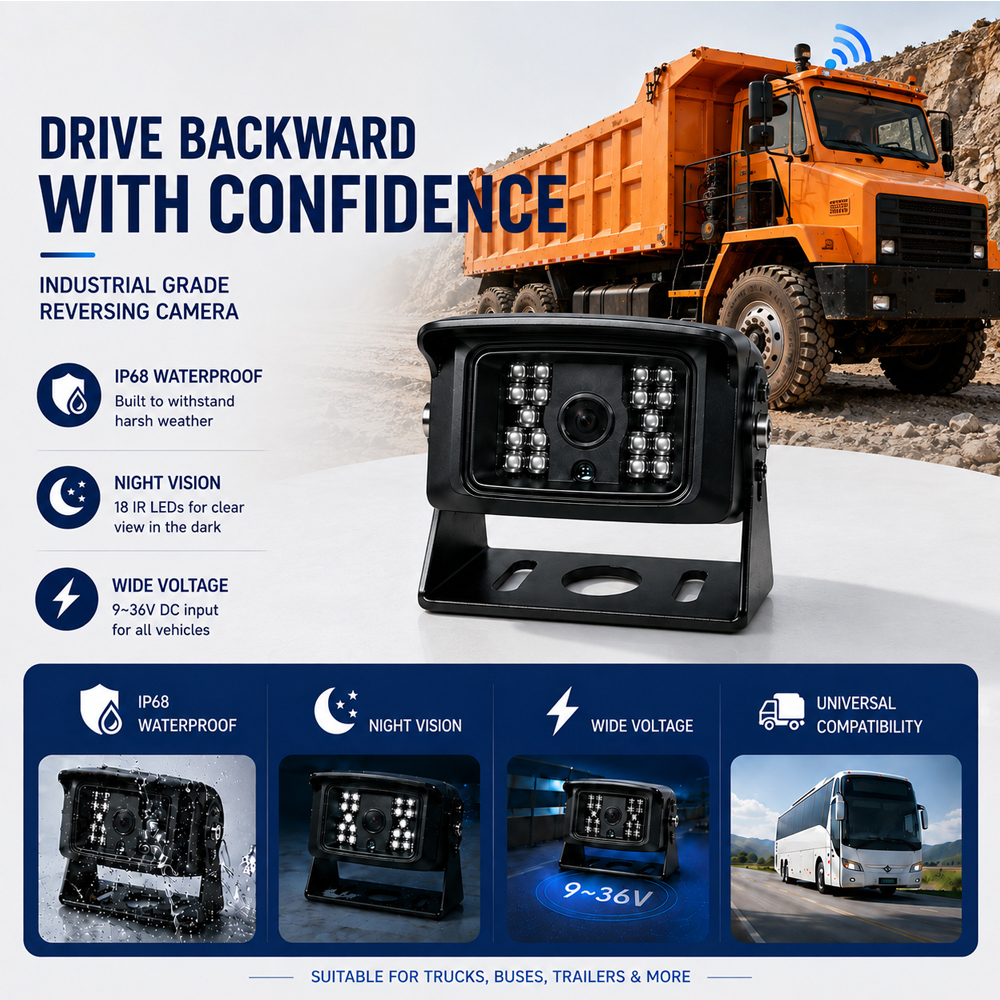
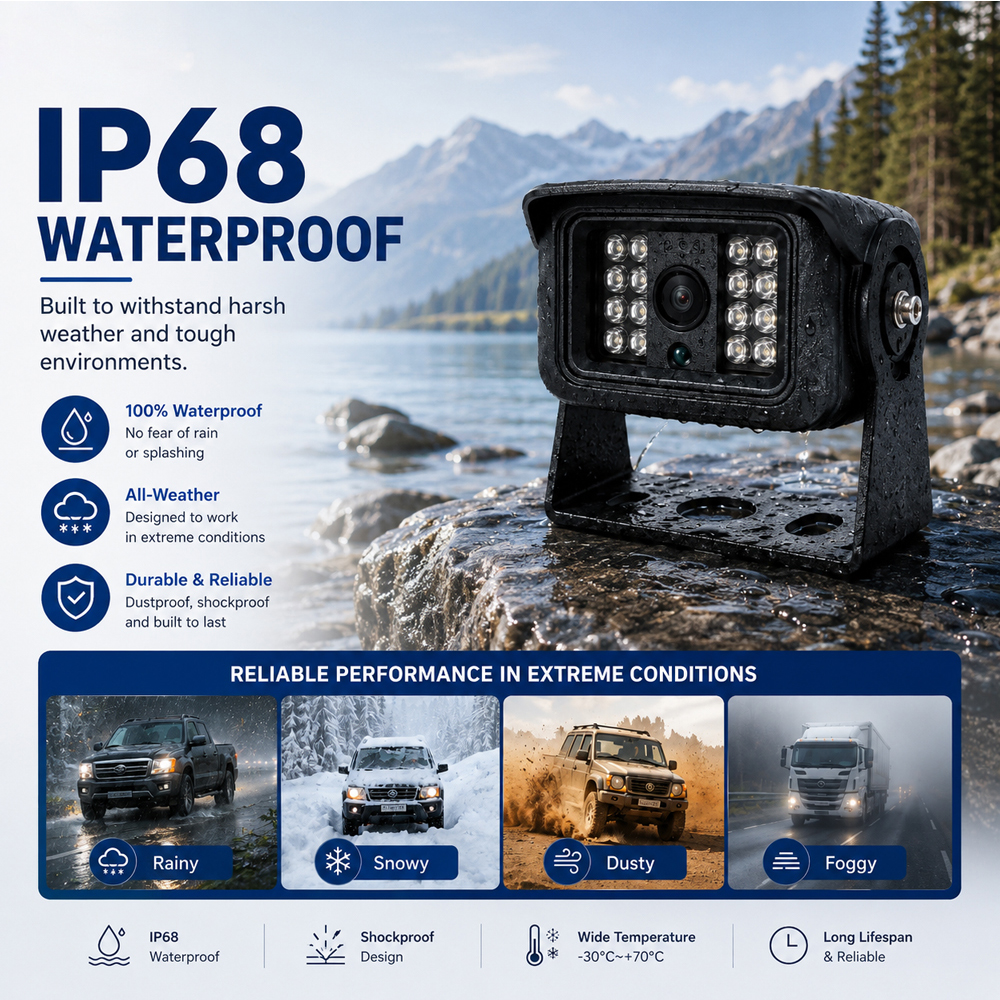
Certified by CE, FCC and RoHS, IP67/IP68 waterproof and dustproof rating.

Supports OEM manufacturing, ODM product development and customization, small batch orders, and fast delivery.



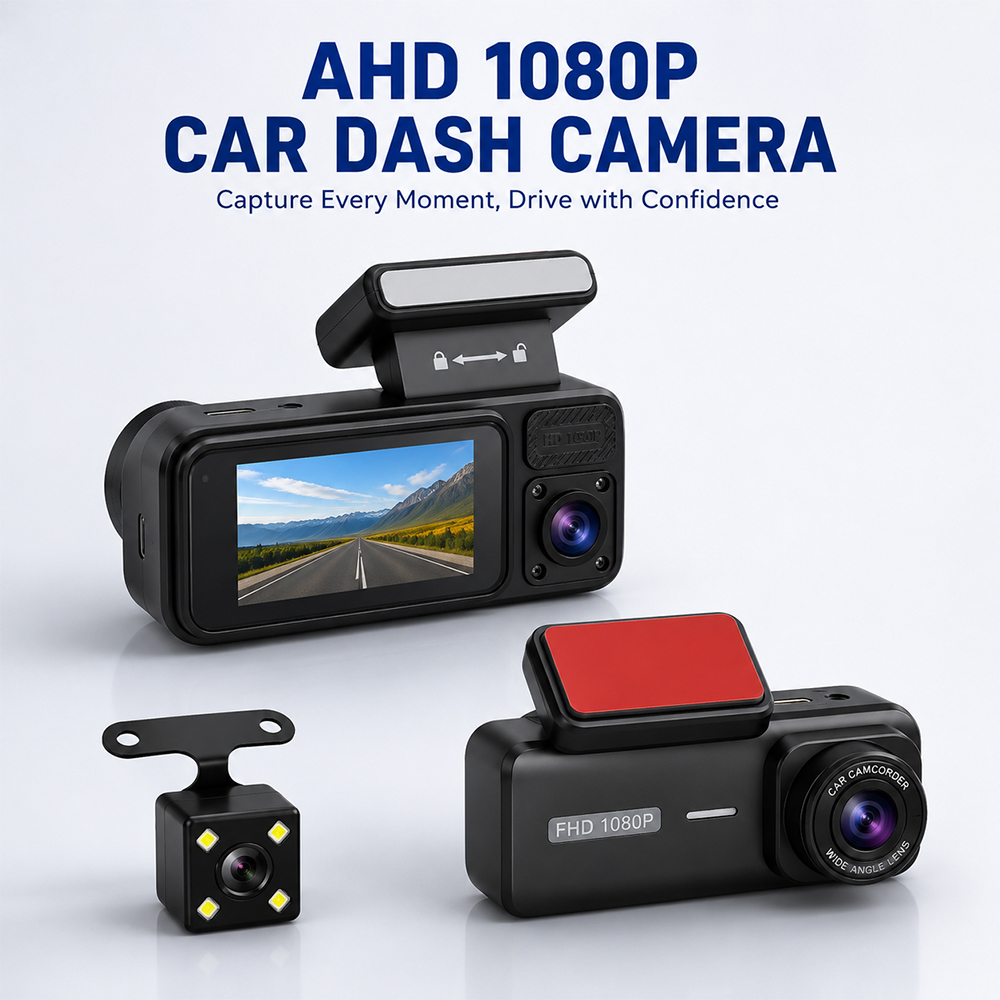
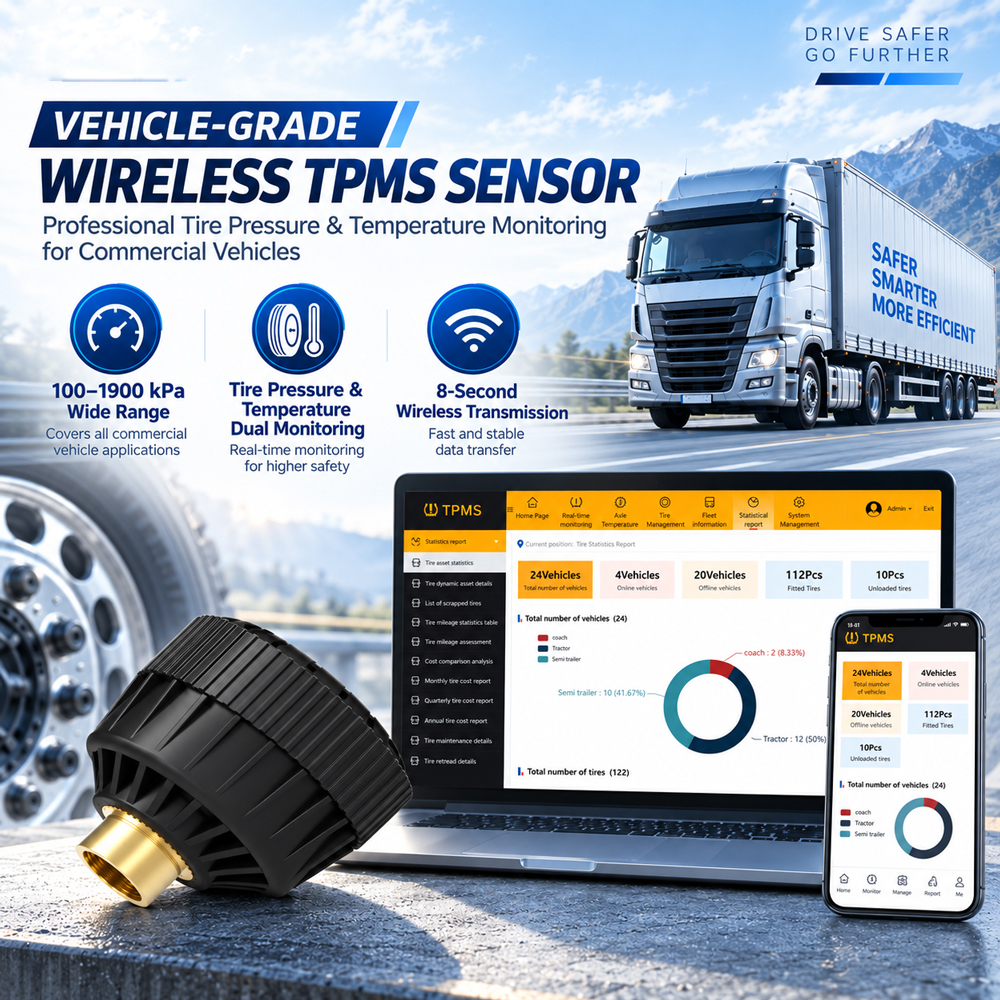
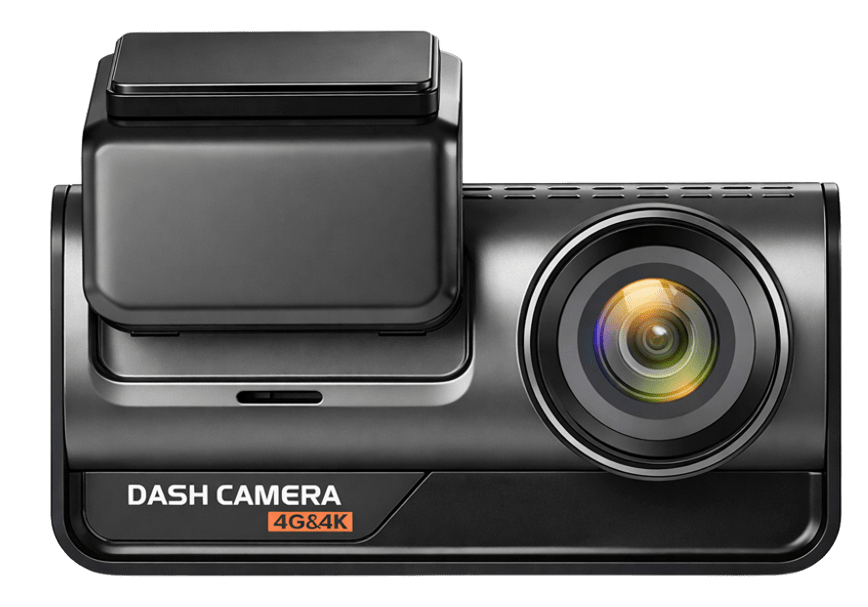
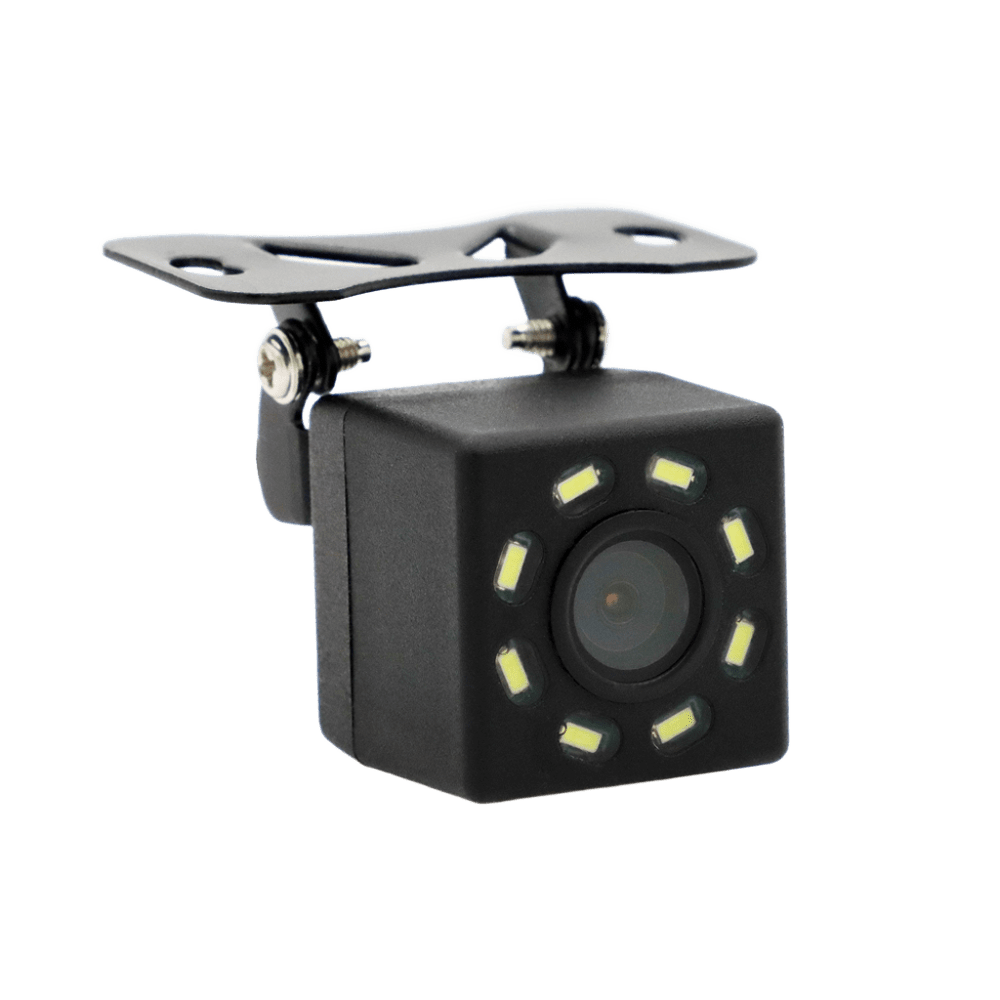
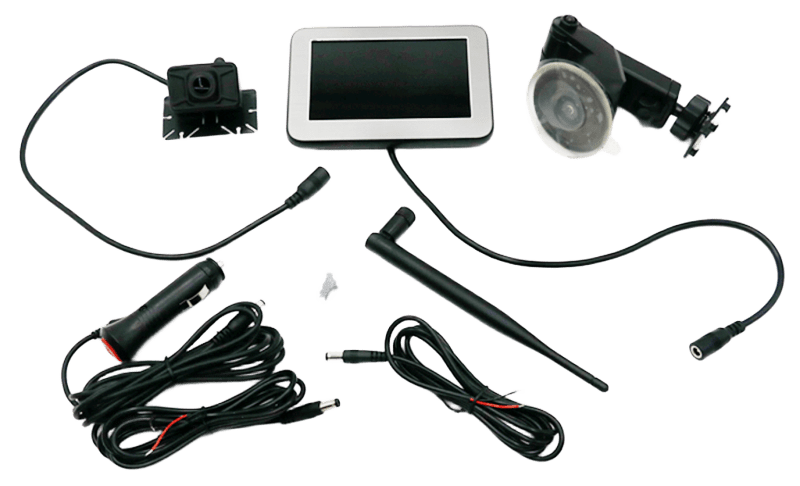
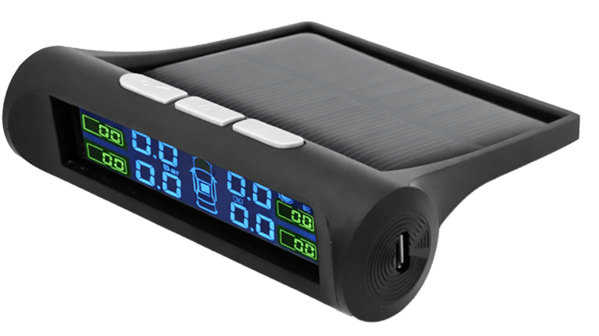
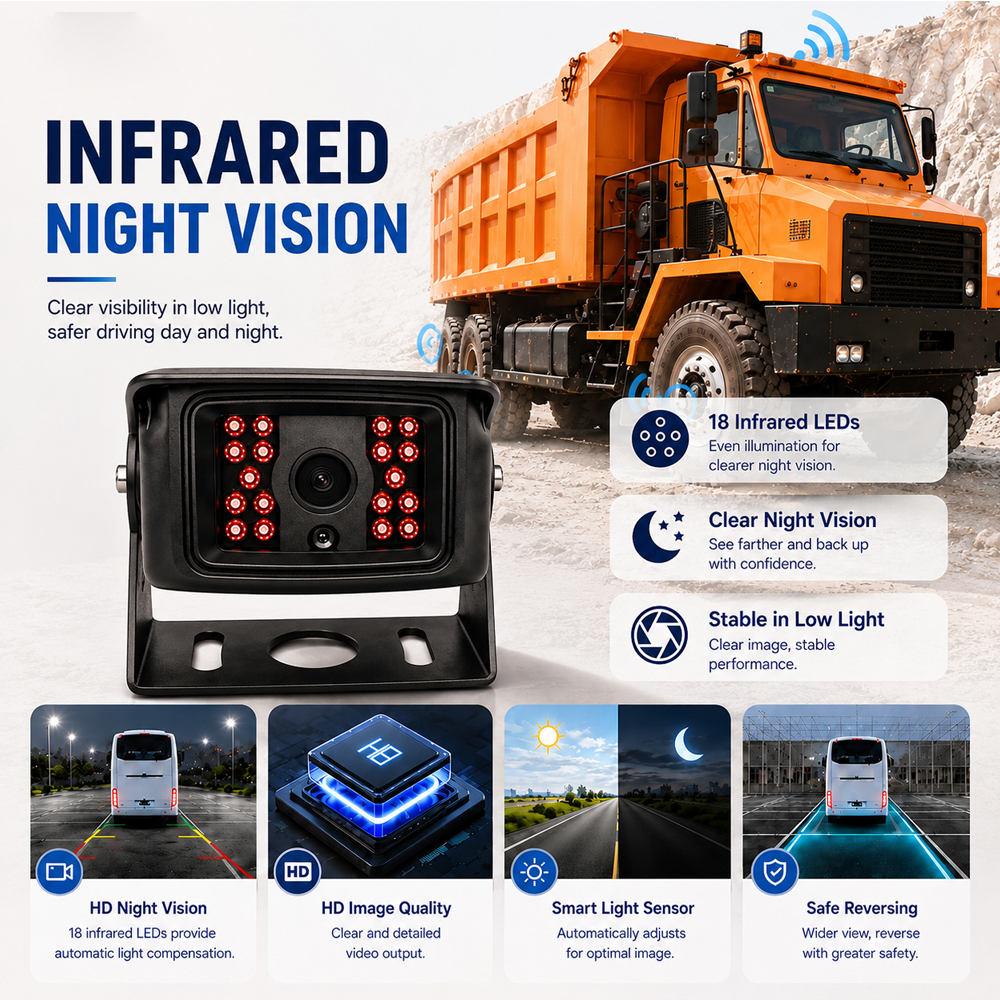
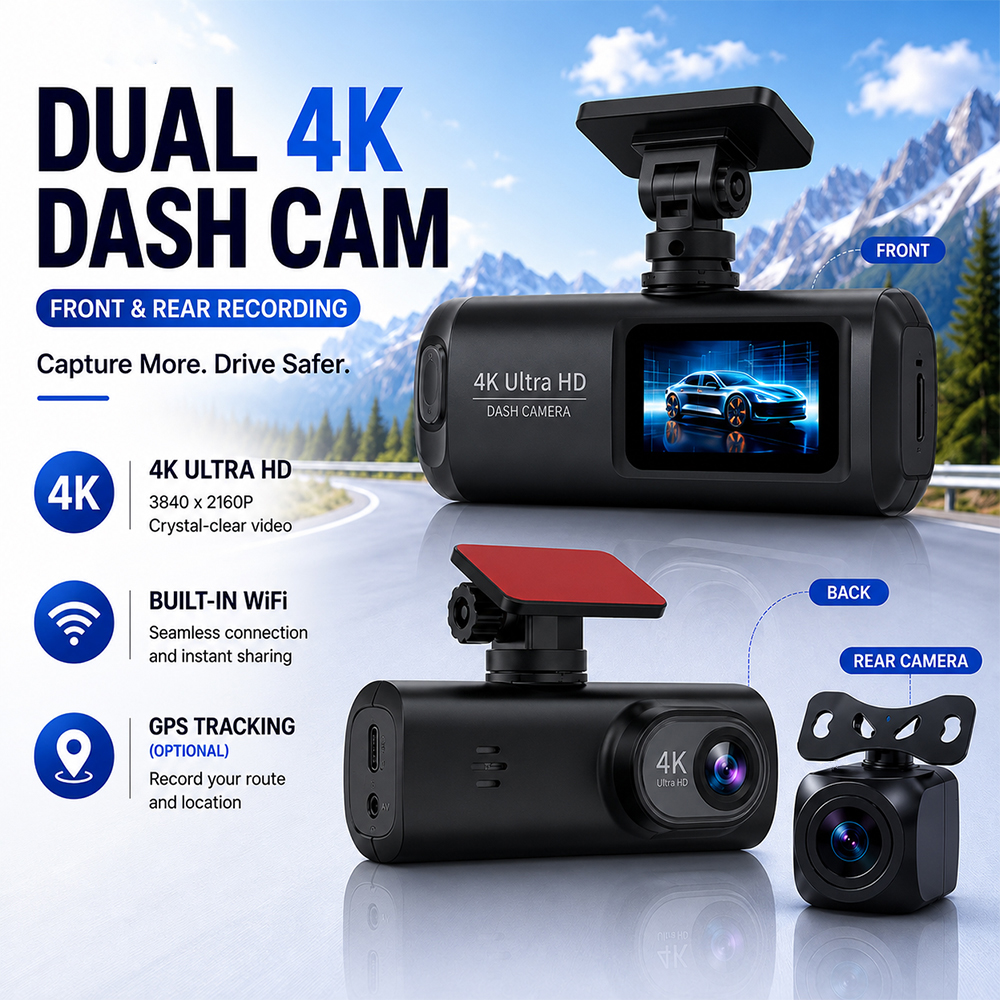
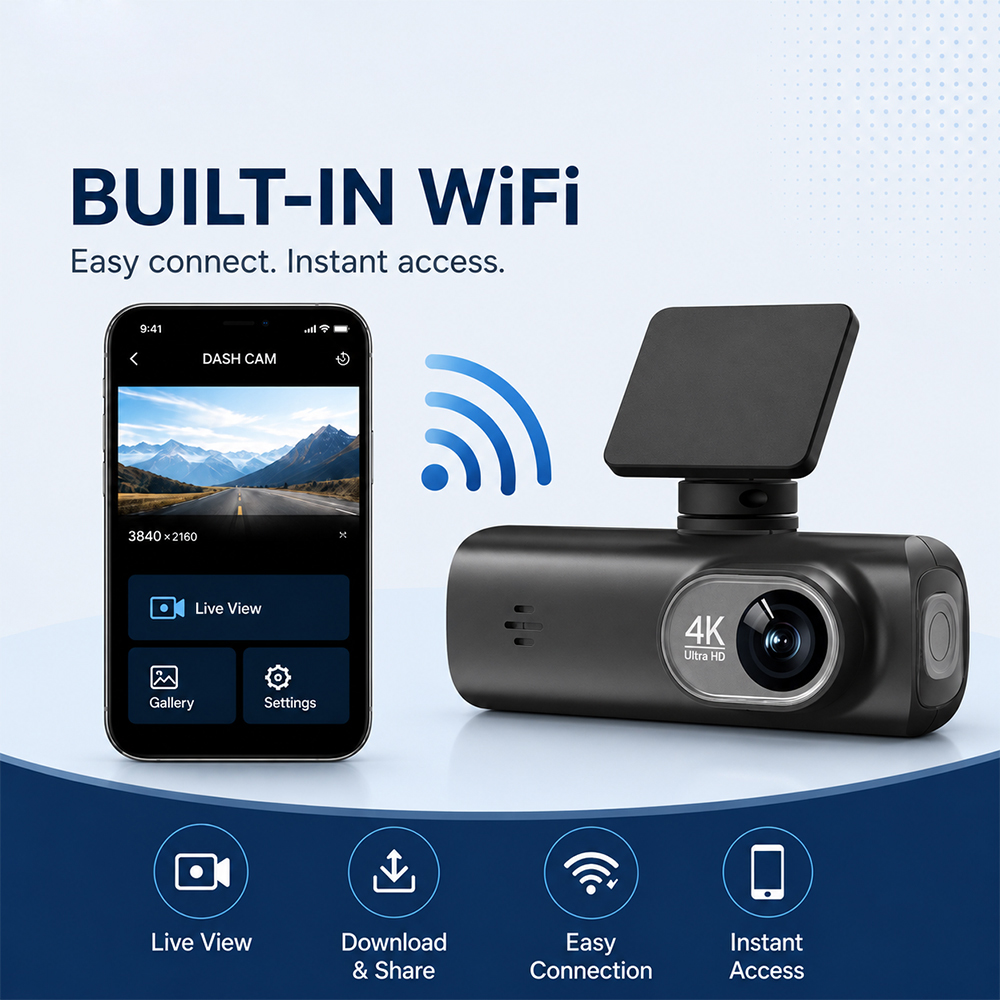
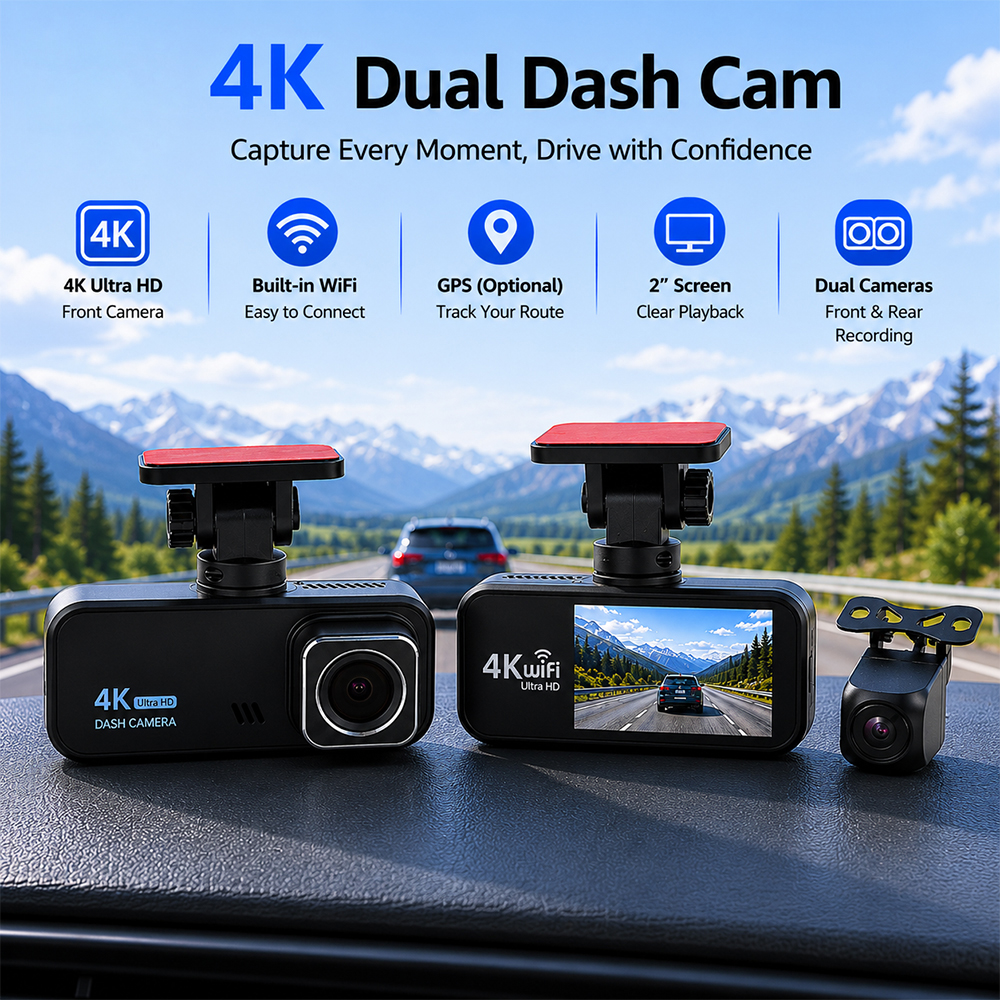
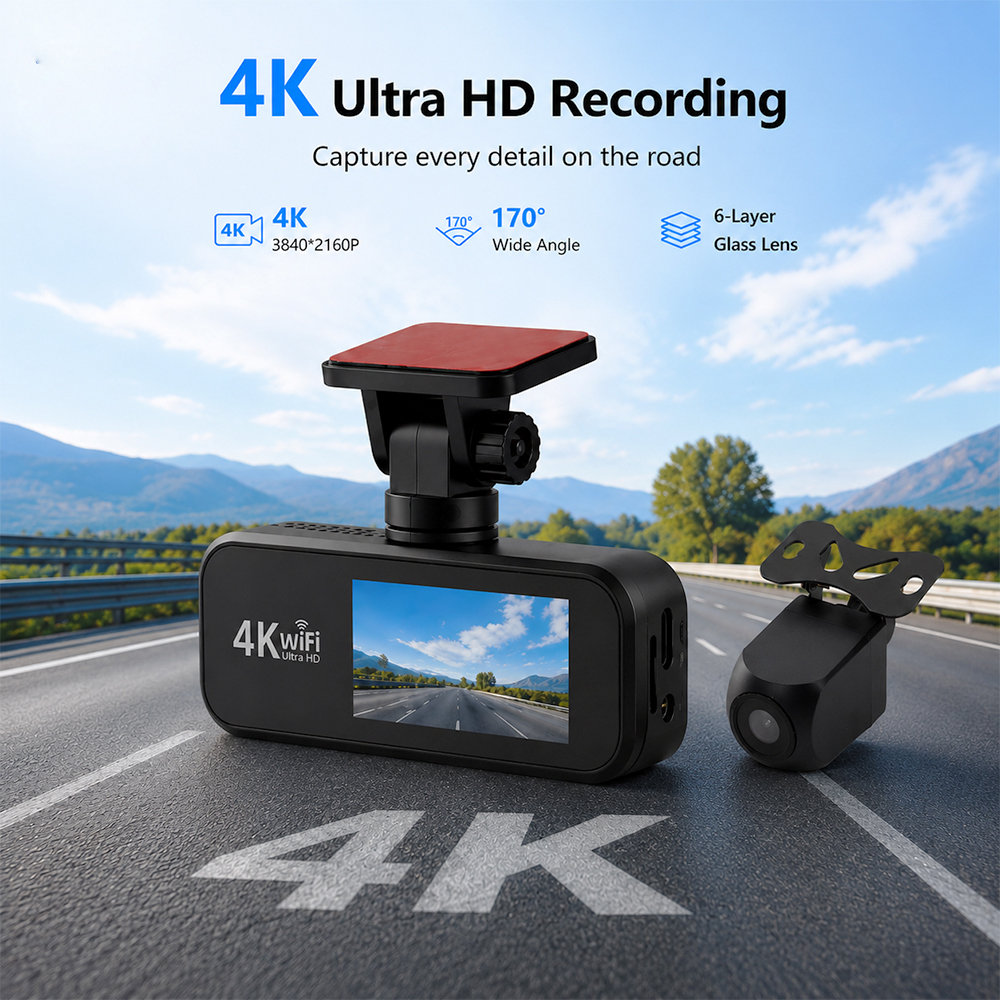
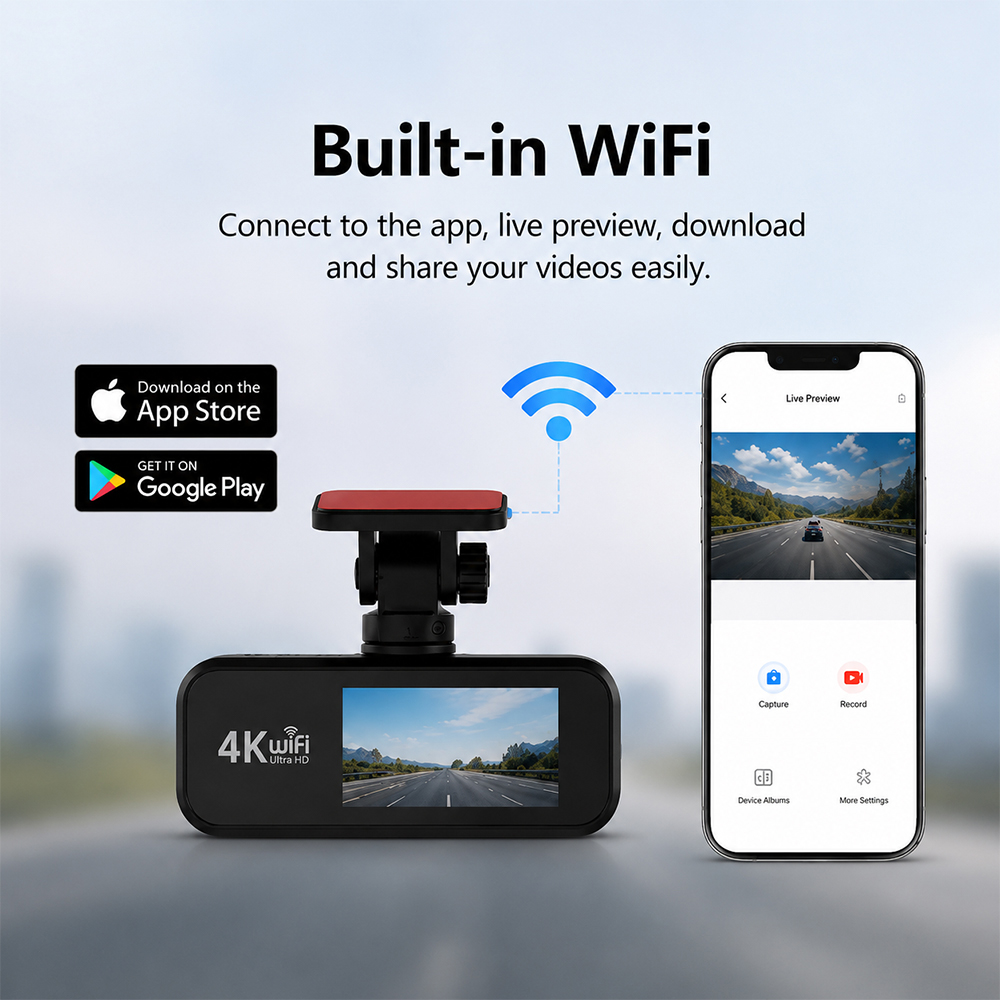
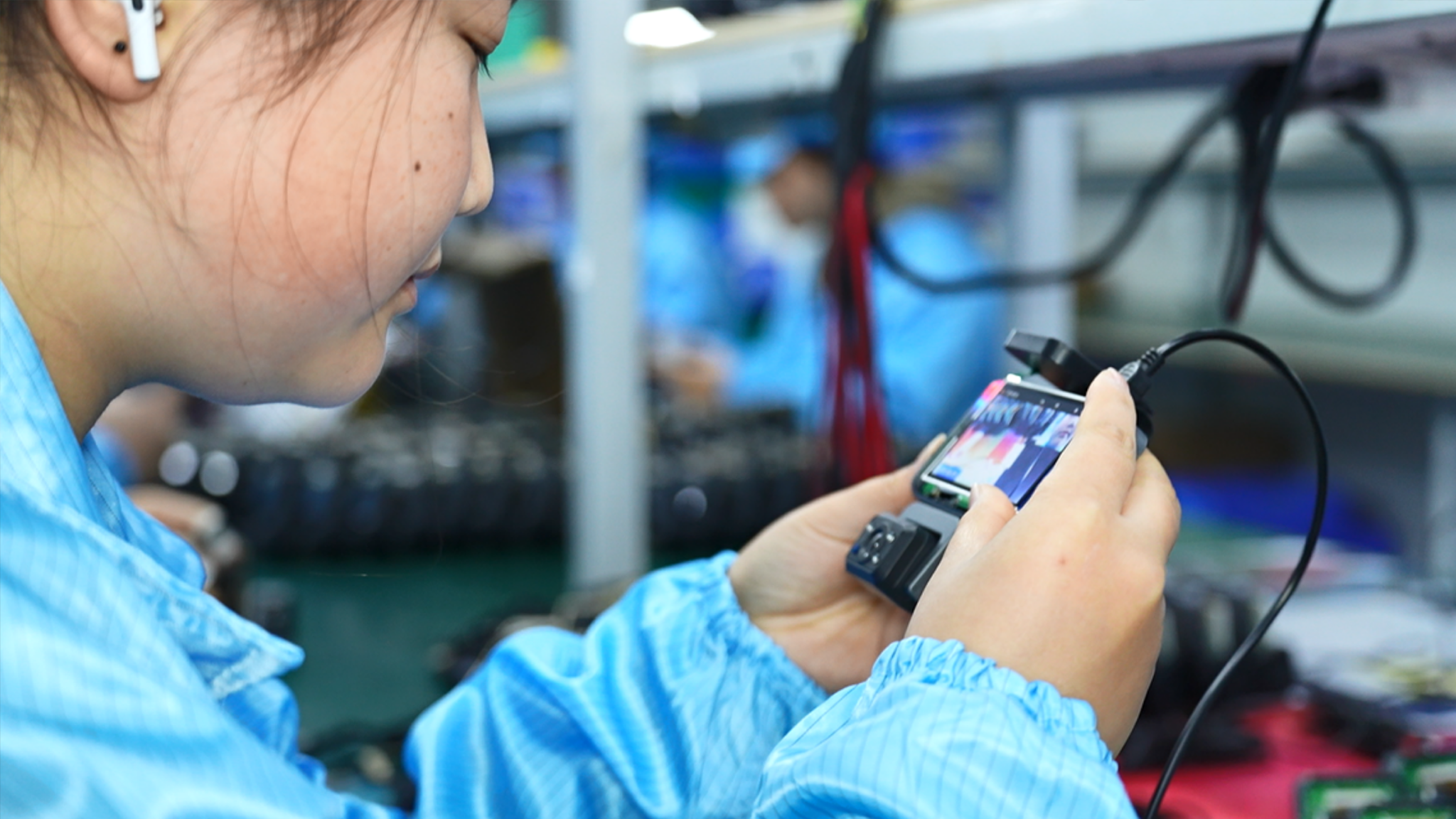
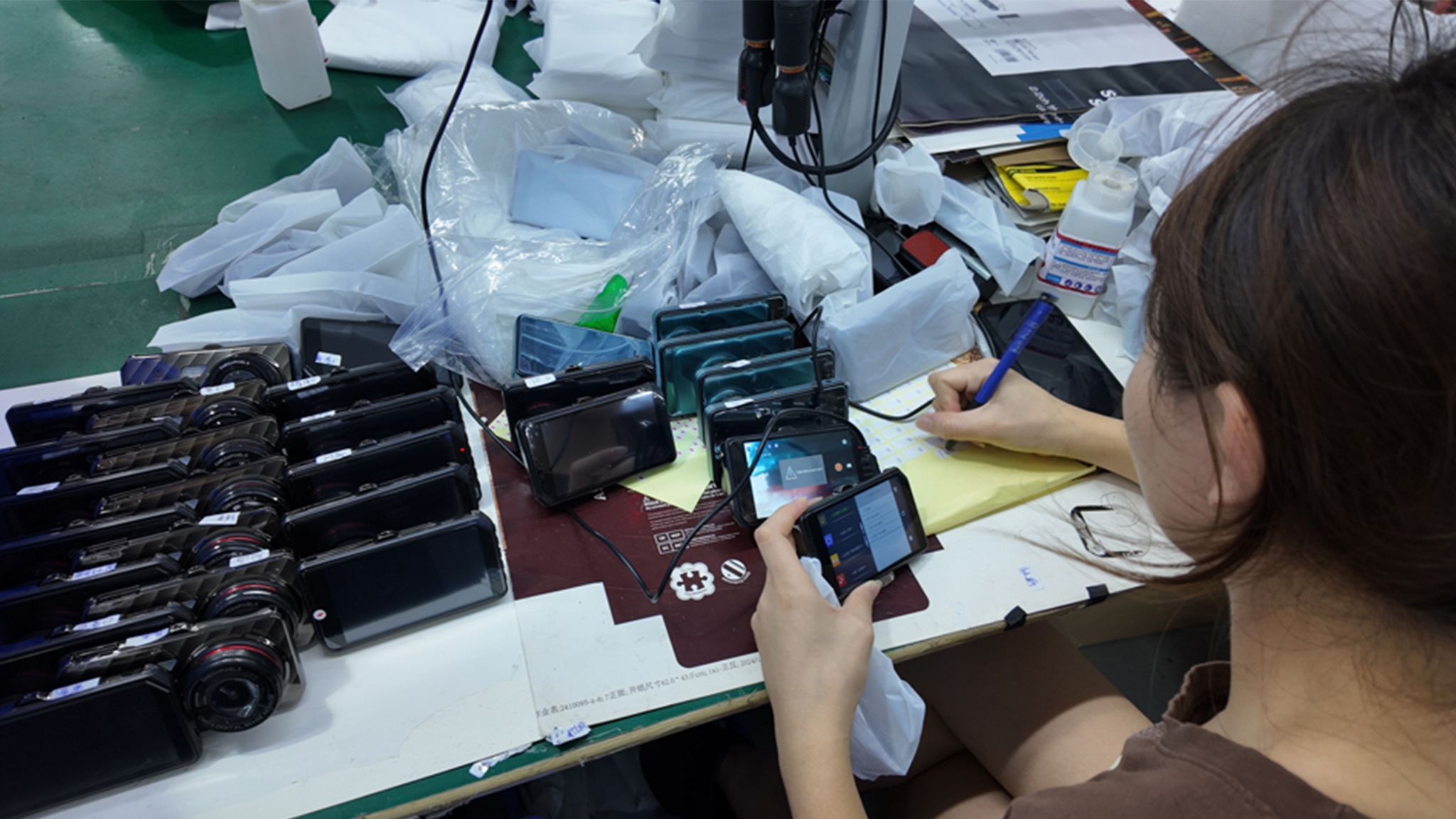
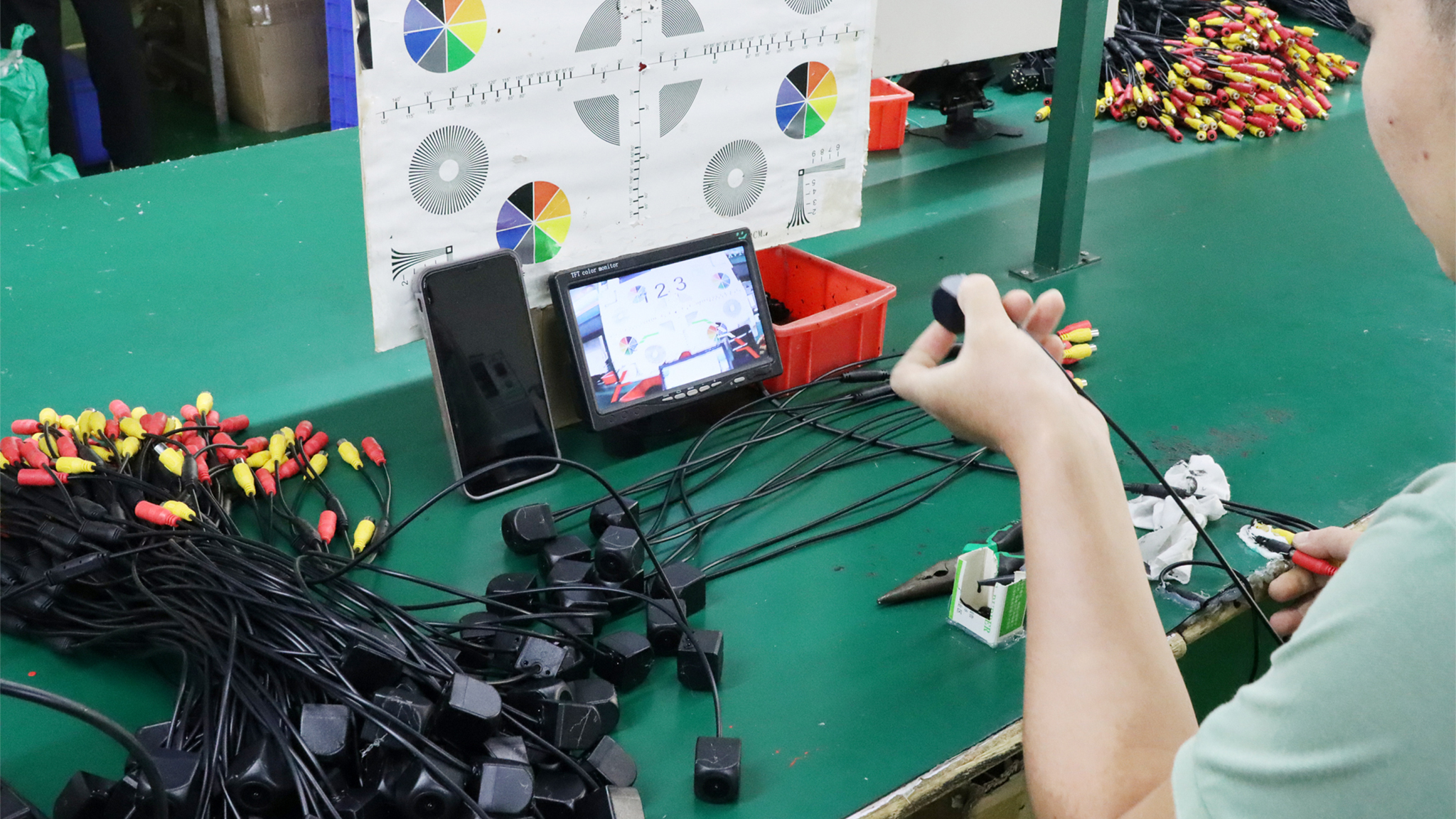
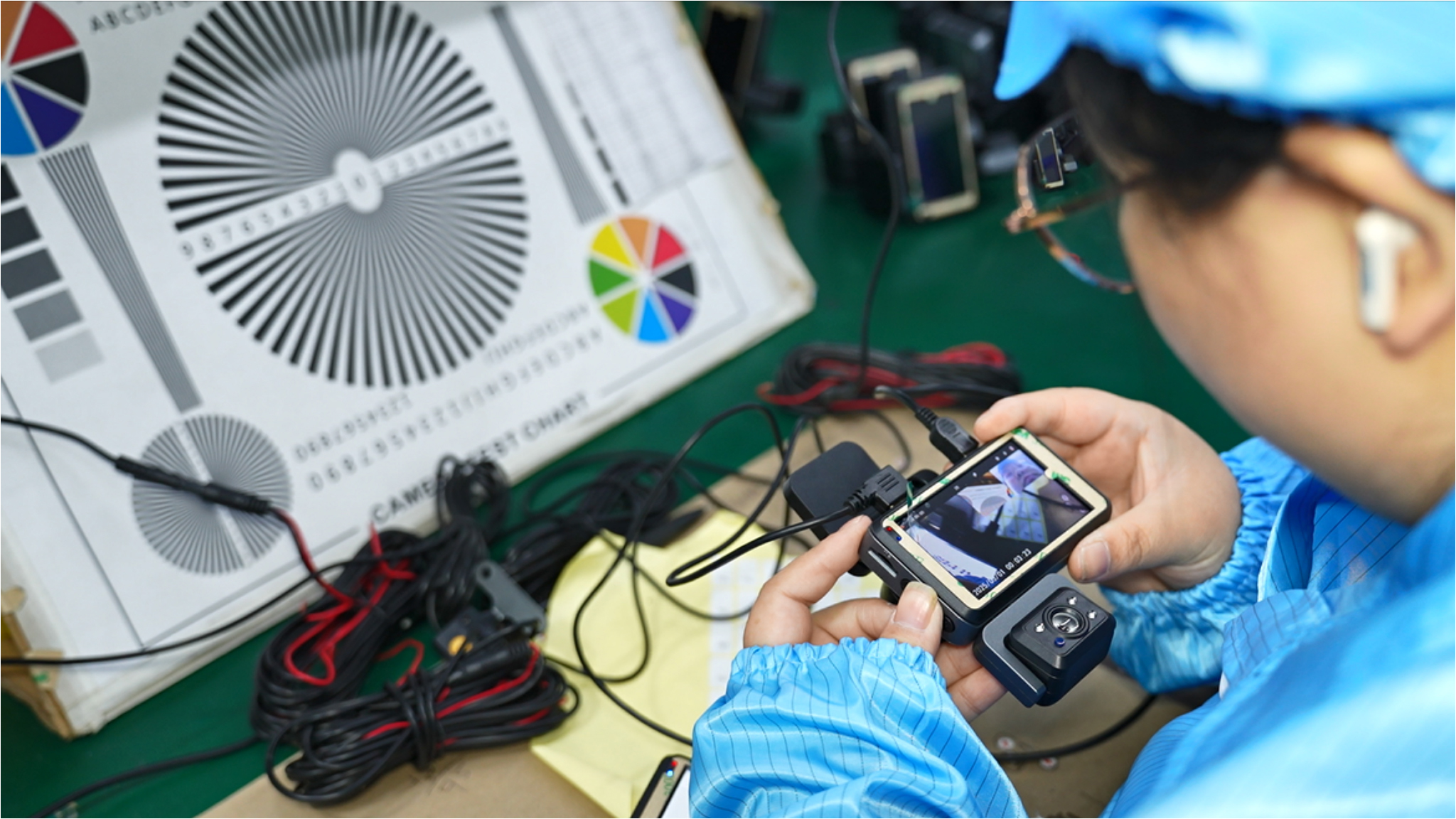
Founded in 2016, Zhuhai Sanmu Technology Co., Ltd. focuses on in-vehicle monitoring and automotive electronics, committed to providing global customers with high-quality, intelligent in-vehicle products and solutions. The company's core products include in-vehicle cameras, dashcams, in-vehicle displays, reversing radars, tire pressure monitoring systems, and navigation systems, widely used in various passenger vehicles and other scenarios.
Watch Video
We prioritize quality and safety, and all our products have obtained international authoritative certifications such as CE, FCC, RoHS, IP67/IP68, and E-mark, fully meeting the stringent requirements of different markets for product compliance and environmental adaptability.
As a flexible partner, Sanmu Technology offers comprehensive OEM/ODM customization services, supports small-batch orders, responds quickly to customer needs, ensures efficient delivery, and helps customers seize market opportunities. Choose Sanmu Technology and become your trusted one-stop solution partner in the field of automotive electronics.


-
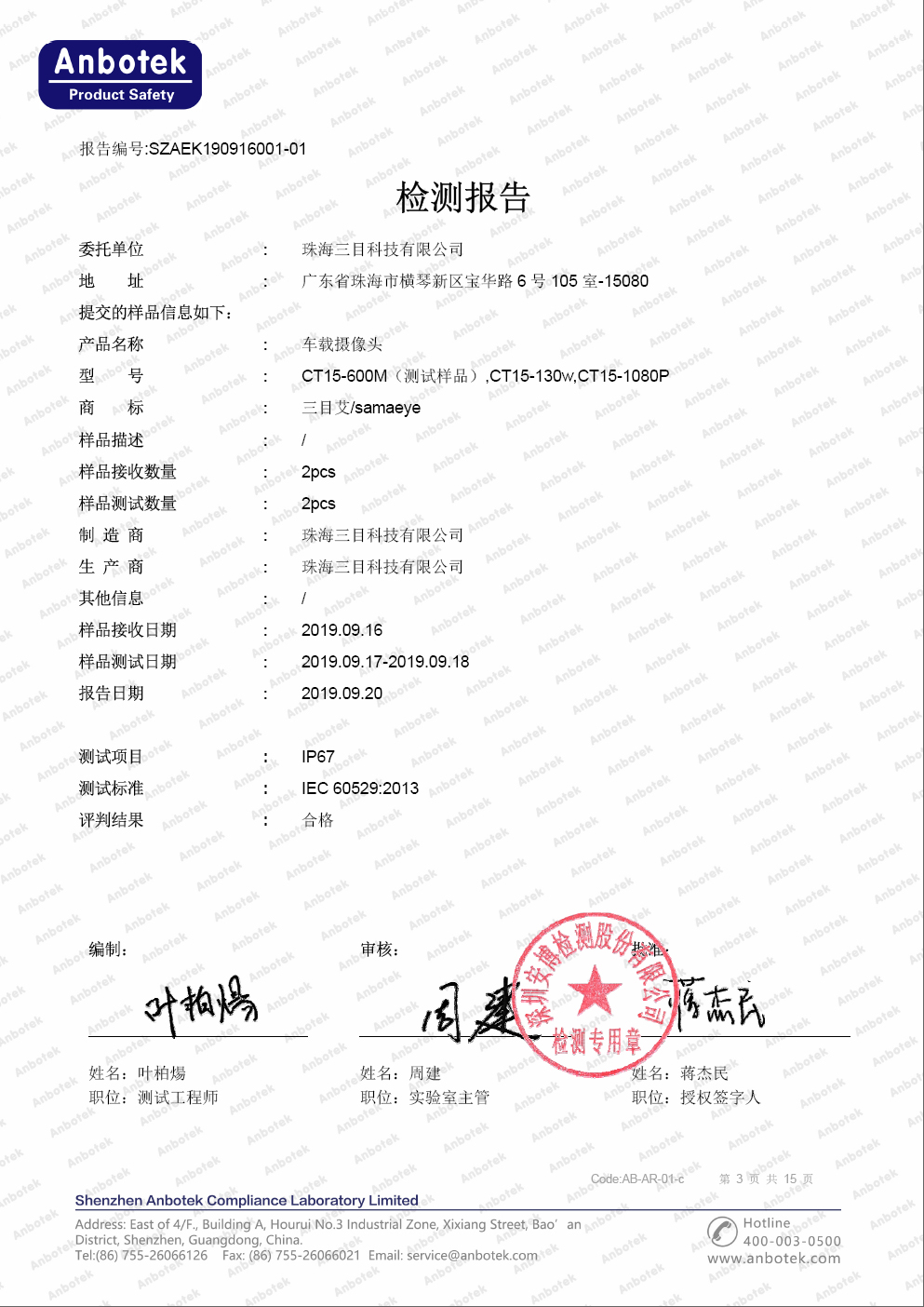 IP67-waterproof
 -
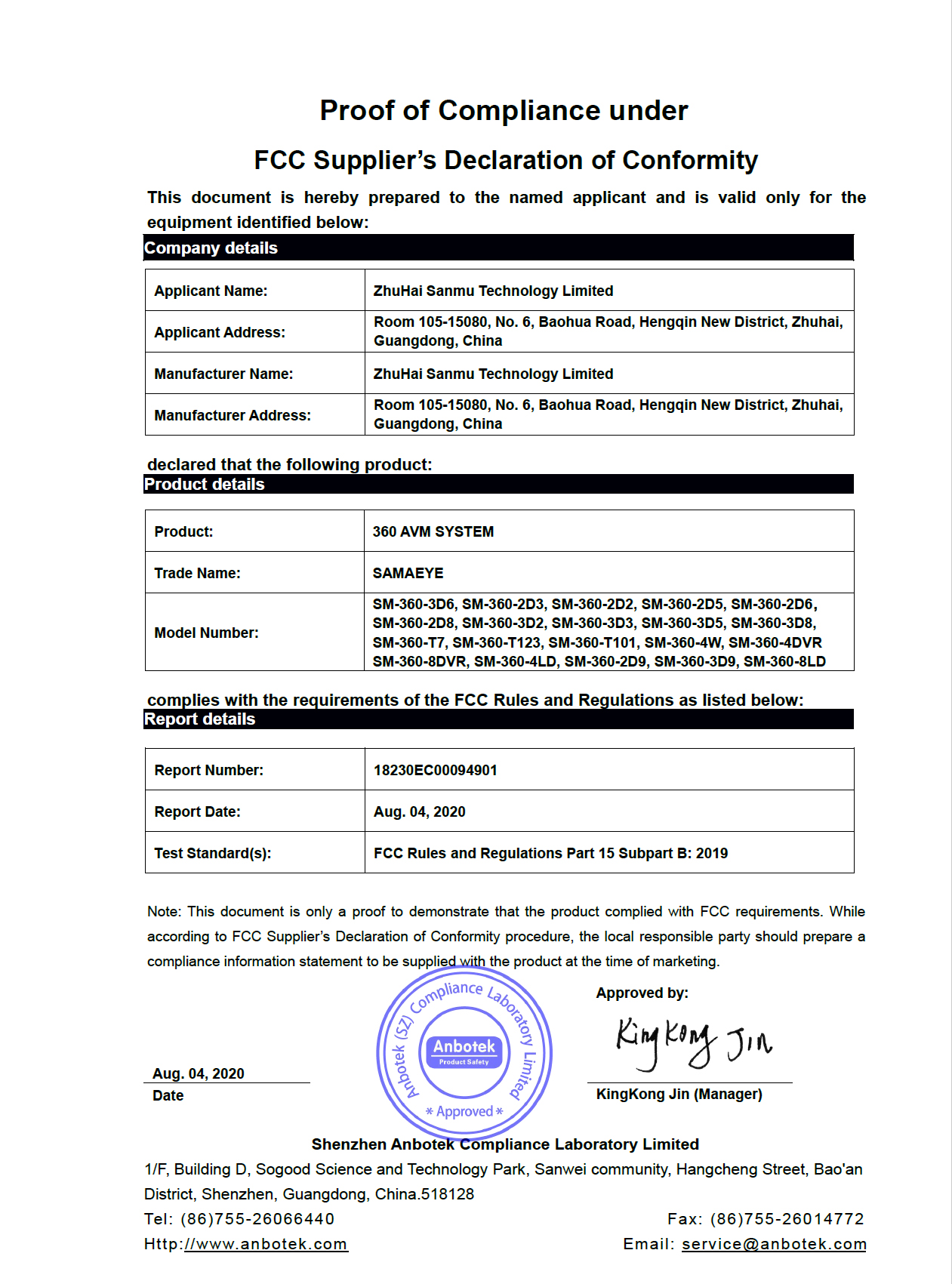 FCC-360-panoramic-system
 -
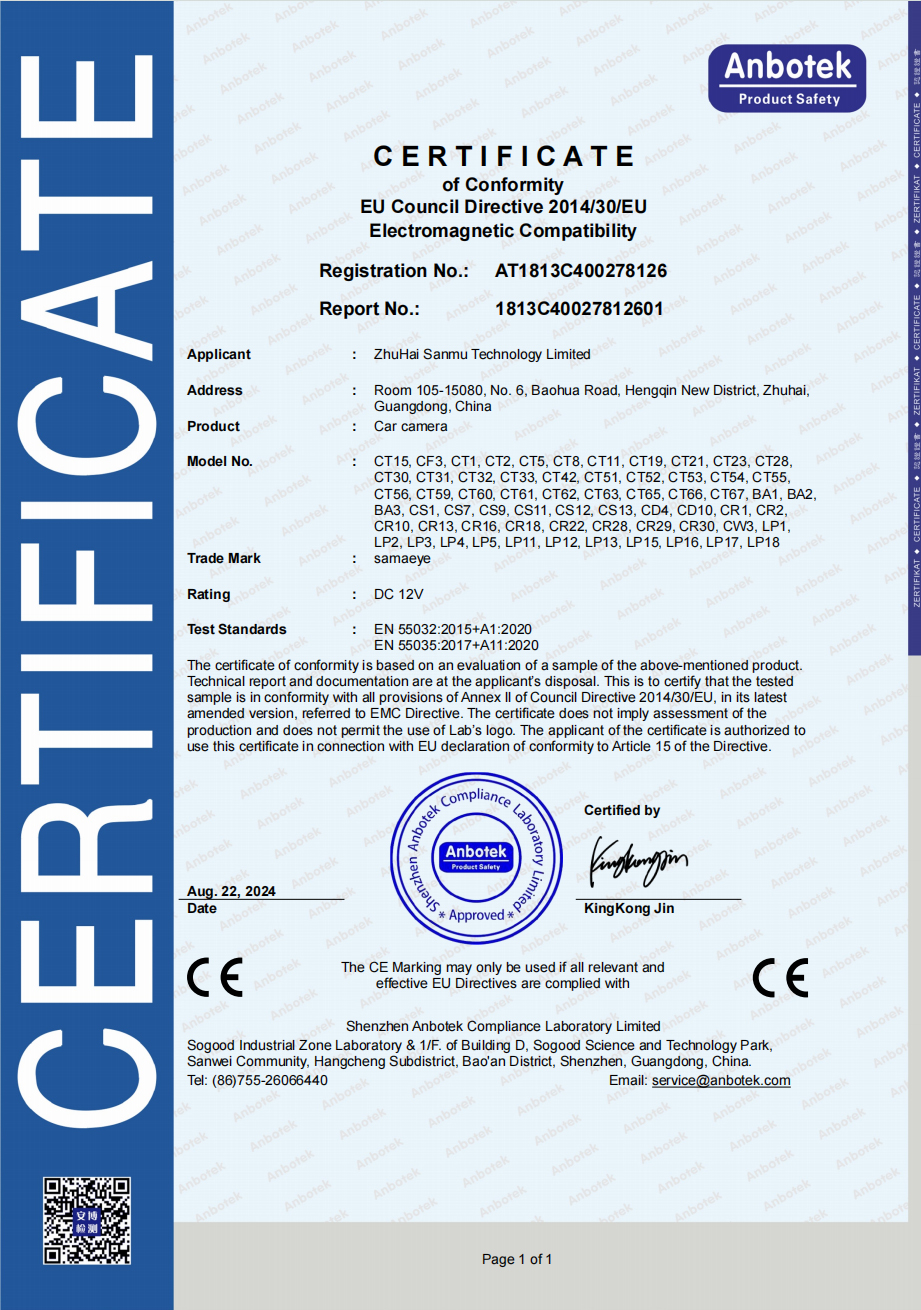 CE---Desensitization
 -
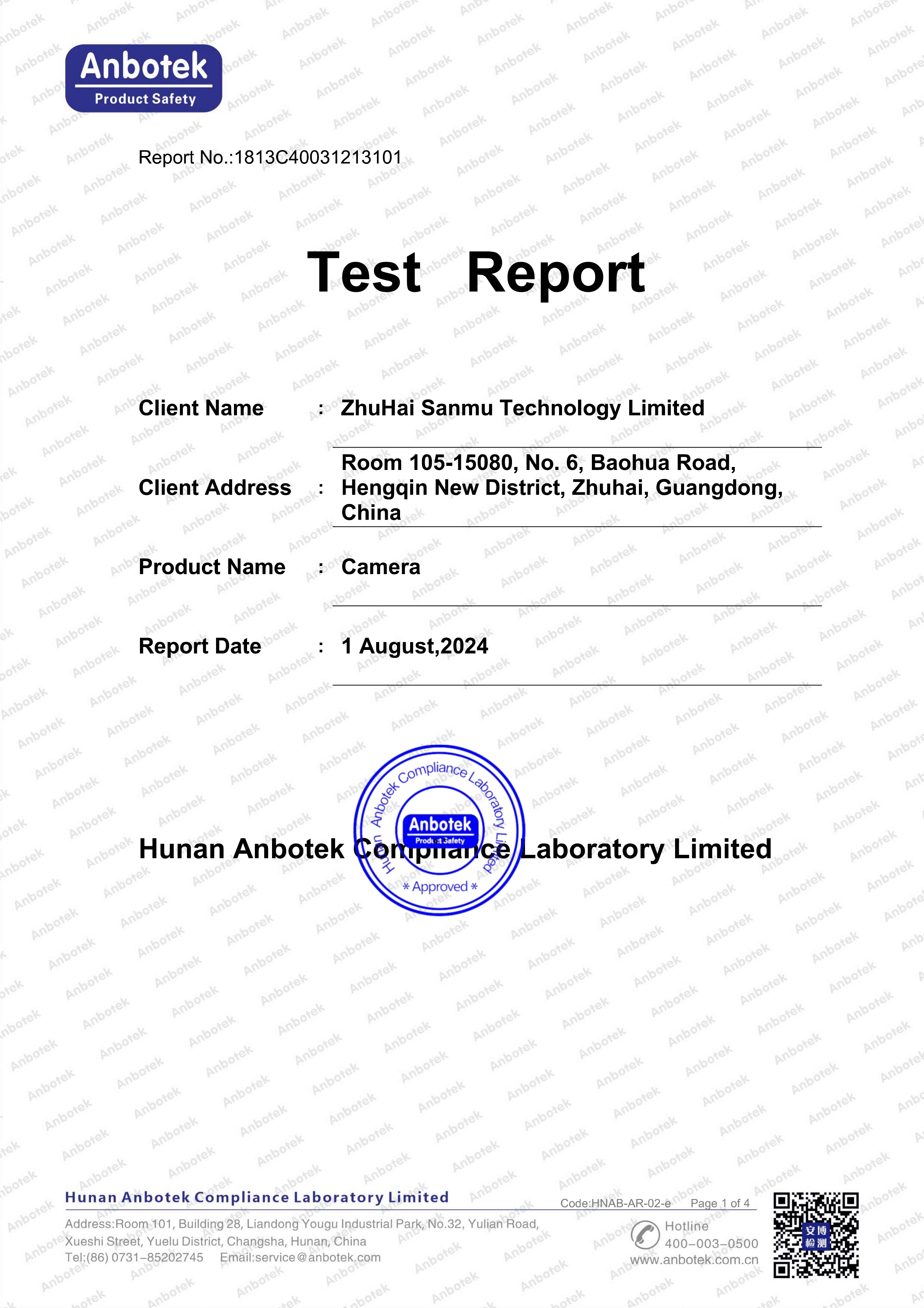 IP68
IP68 -
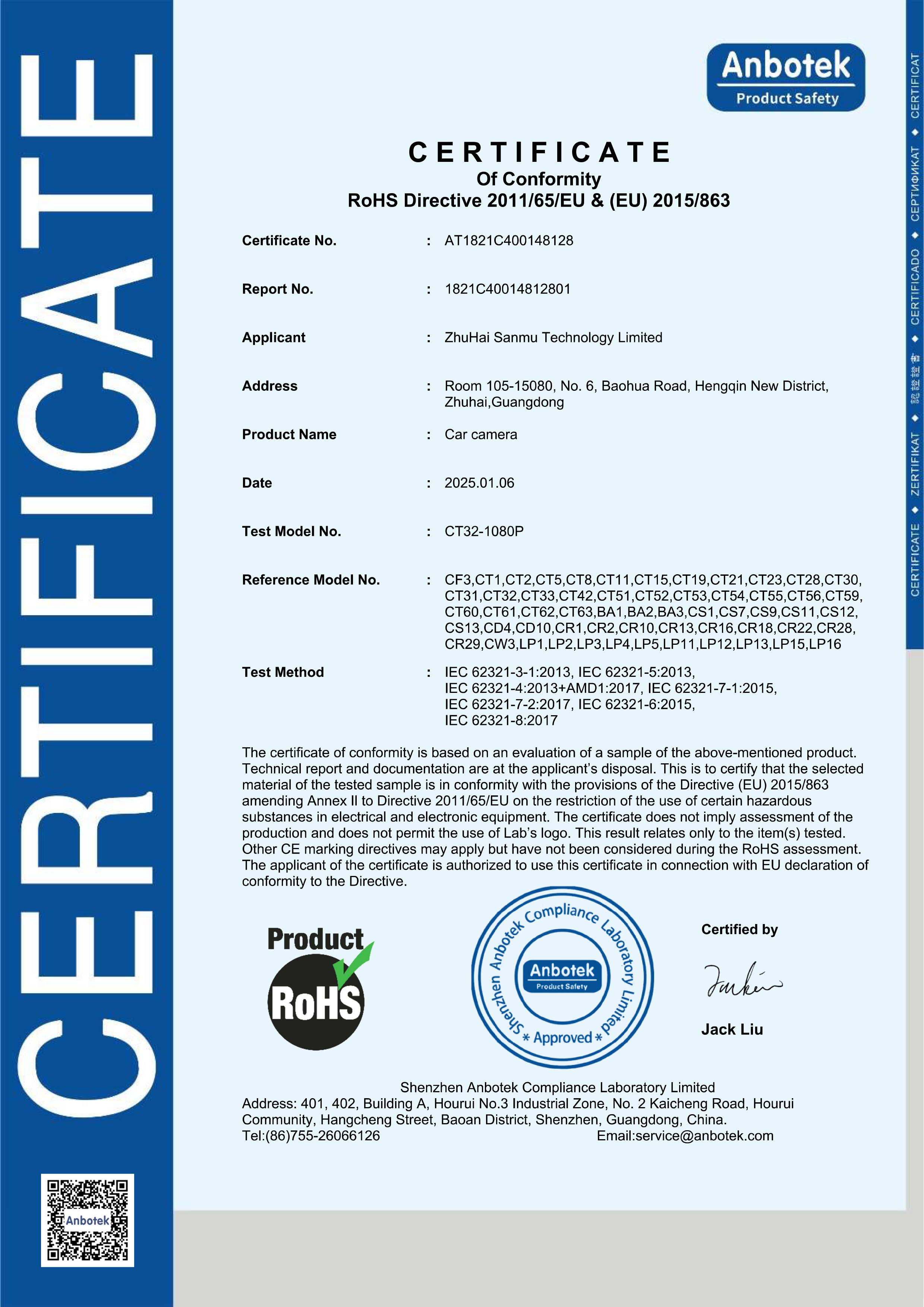 RoHS
RoHS -
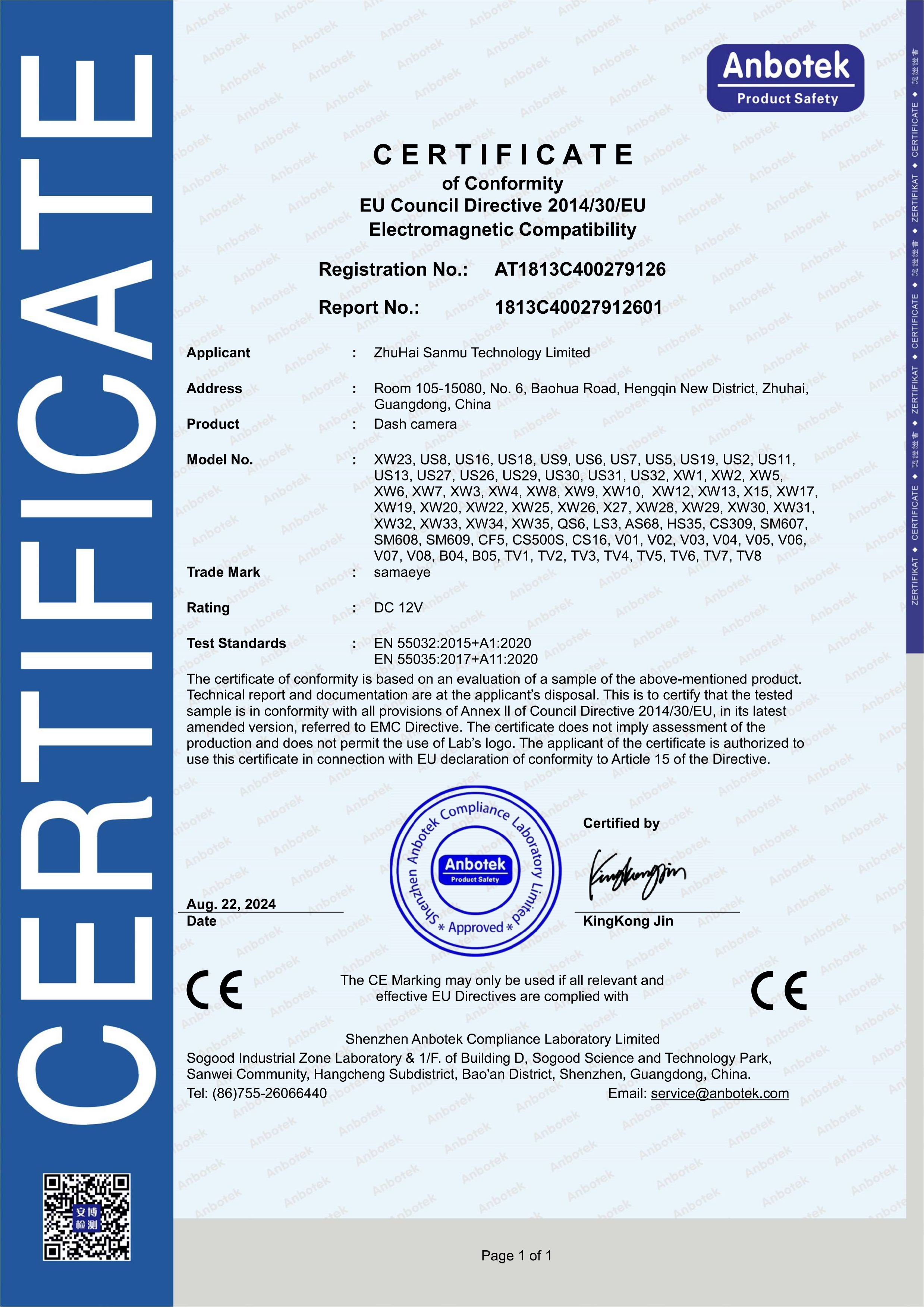 Dashcam---CE
 -
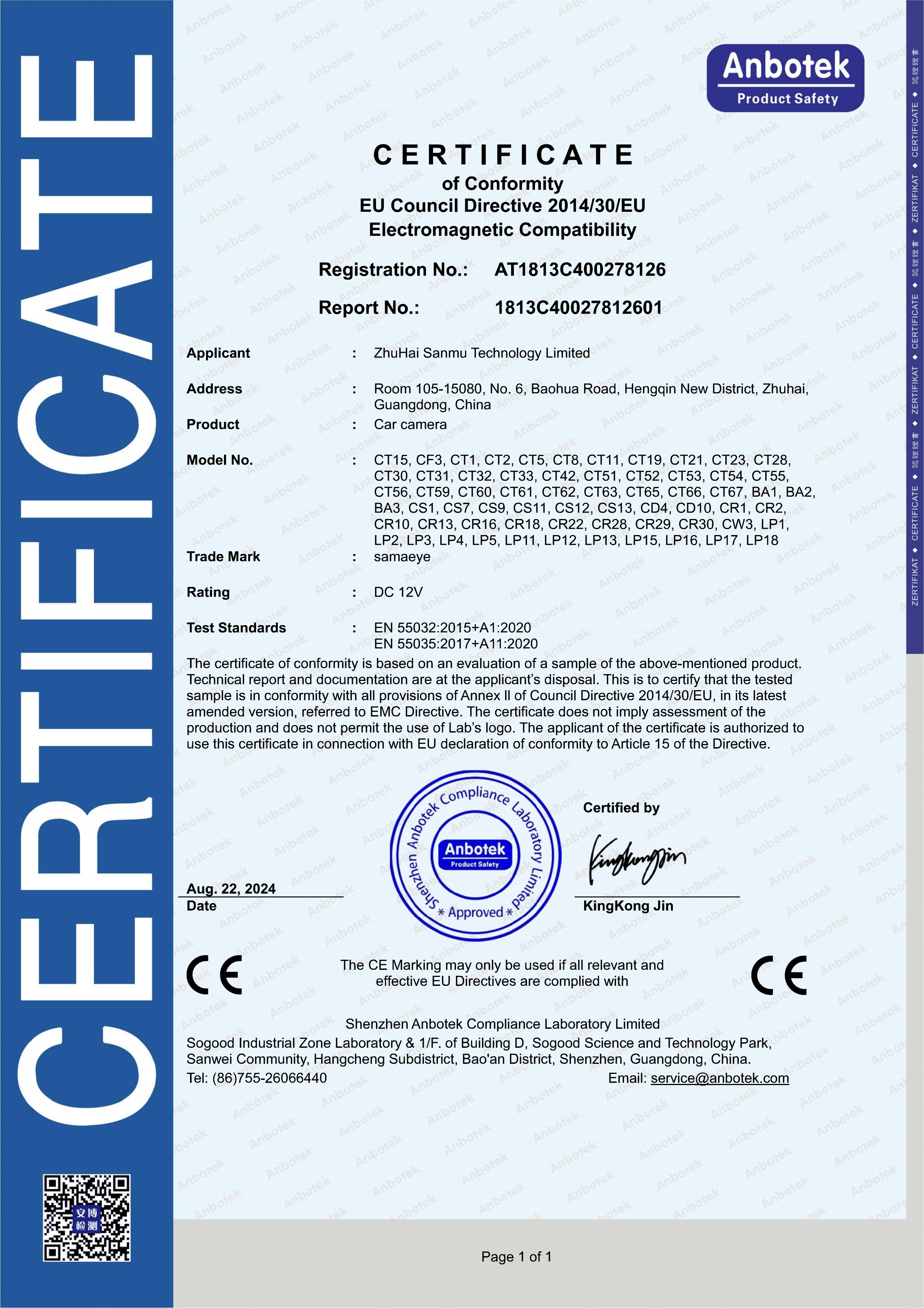 Camera---CE