If you manage a fleet of heavy duty vehicles, adding a TPMS for semi truck to your current management platform can cut tire-related breakdowns by 35% and reduce fuel costs by up to 3%, according to industry fleet data.
1. Pre-Integration Preparation: Hardware & Compatibility Checks
Before you start connecting your system, you need to confirm your hardware and platform can work together smoothly.
Picking the correct components is the first step to a successful integration.
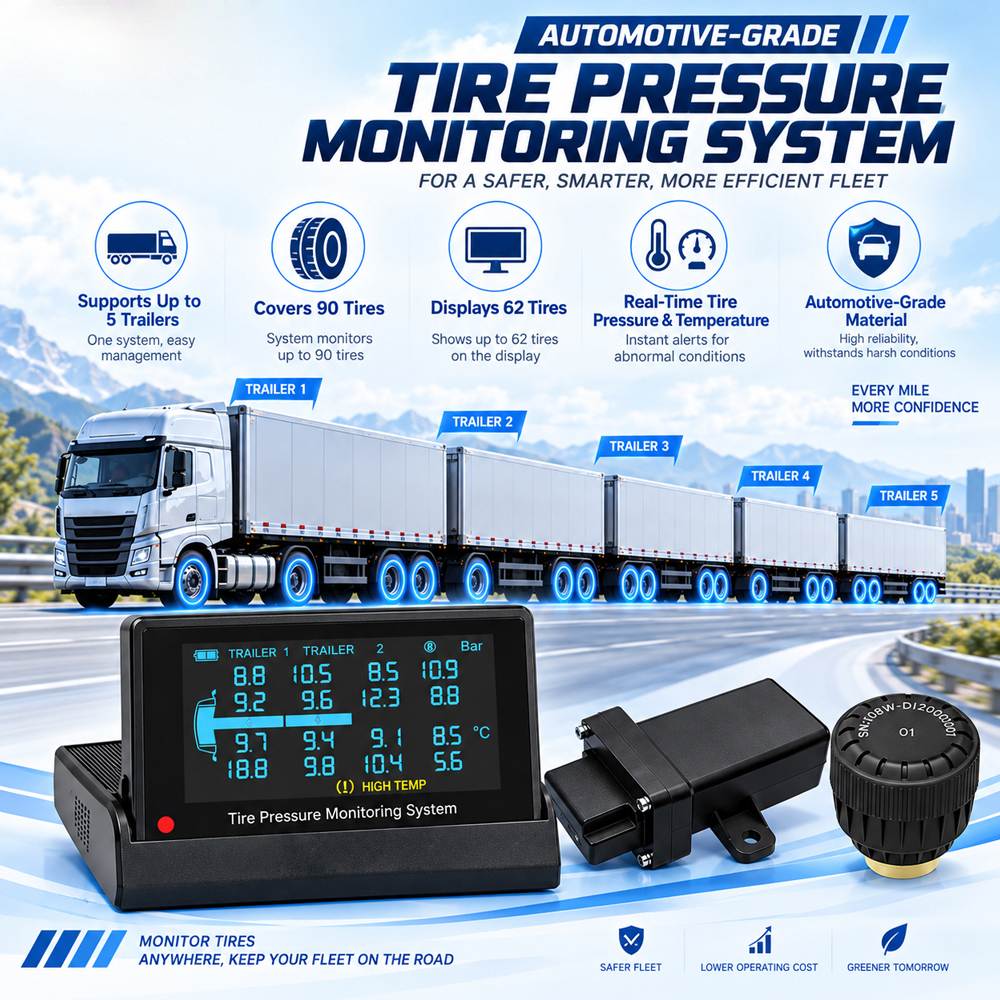
Start with a complete Semi Truck TPMS Kit that includes sensors, a receiver, and basic software
Opt for WirelessTPMS for Semi Trucks to avoid complex wiring work on older vehicles
For long-haul fleets, choose OTR Truck TPMS built for off-road and long-distance use
If you work with a heavy duty truck parts wholesale distributor, ask them to match hardware to your fleet size.
1.2 Confirm Fleet Platform Compatibility
Not all TPMS systems work with every fleet management tool, so verify this first.
Check if your platform supports standard data protocols like J1939 or Bluetooth 5.0
Ask your semi truck TPMS importer for integration documentation for common platforms
Test 1-2 sensors first before rolling out to your entire fleet
You can use a Semi Truck TPMS Programming Tool to confirm sensor signal strength during testing.
2. Step-by-Step Integration Process
Once your hardware and platform are confirmed compatible, you can start the formal integration process.
2.1 Install and Pair Sensors
Proper sensor installation ensures accurate data transmission to your platform.
Install each Semi Truck Tire Pressure Sensor on the valve stem of every tire
Use a Semi Truck TPMS Programming Tool to pair each sensor with its corresponding wheel position
Mount the wireless receiver in the truck cab, within 10 meters of all sensors
For older sensors that fail to pair, you may need to perform a Semi Truck TPMS Sensor Replacement before continuing.

This step moves real-time tire data into your existing management dashboard.
Enable the TPMS data input feature in your fleet platform settings
Match sensor IDs to each vehicle’s VIN number in the system
Sync data refresh intervals to match your platform’s update speed (usually 1-5 minutes)
A Semi Truck Tire Pressure Gauge System will show live pressure and temperature readings for every vehicle.
3. Post-Integration Testing & Optimization
After connecting the system, you need to verify data accuracy and fix any small issues.
Wrong data is worse than no data, so always test readings against manual measurements.
Use a manual tire gauge to check pressure on 3-5 tires per truck
Compare manual readings to the data shown on your platform
Adjust sensor calibration if the difference is more than 2 PSI
You can use a Semi Truck TPMS Diagnostic Tool to identify sensors with weak signals or incorrect readings.
3.2 Set Up Alerts and Reports
Customize your platform to send warnings before small tire issues become big problems.
Set low pressure alerts at 10% below the recommended PSI
Set high temperature alerts at 170°F (77°C) to prevent blowouts
Generate weekly tire health reports for your maintenance team
A Semi Truck Tire Monitoring System can automatically flag vehicles that need service.
4. Long-Term Maintenance & Troubleshooting
To keep your system working well, you need regular upkeep and quick fixes for common issues.
4.1 Routine Maintenance Tasks
Simple regular checks will extend the life of your TPMS setup.
Inspect sensor tightness during every tire rotation
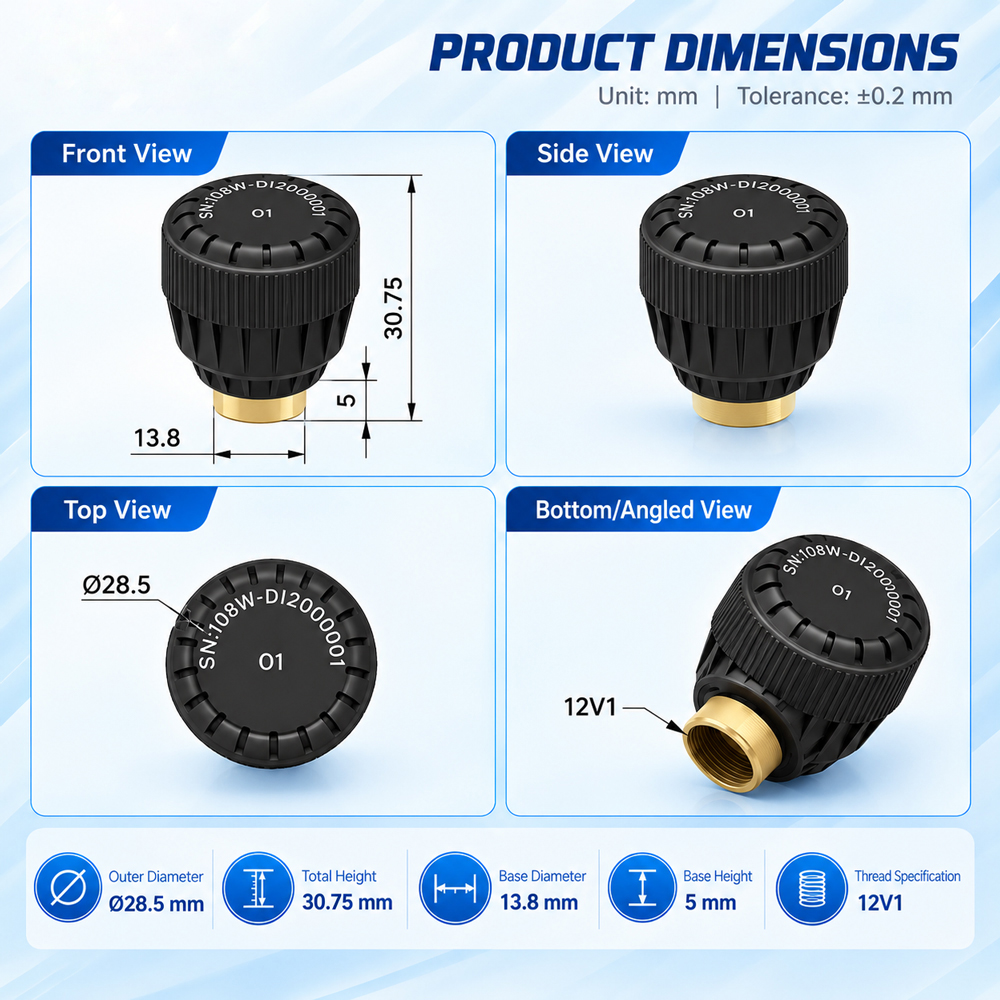
Replace sensor batteries every 3-5 years, or when low battery alerts appear
Update receiver firmware once per year to fix bugs
Semi Truck TPMS Battery Replacement is a quick task that takes less than 5 minutes per sensor.
Most problems have simple solutions you can handle in-house.
No signal from sensor: Check battery level or perform a Semi Truck TPMS Sensor Replacement if damaged
Incorrect pressure reading: Recalibrate the sensor with a programming tool
Data not syncing to platform: Restart the receiver and check internet connection
If you need replacement parts, work with a commercial vehicle parts wholesaler to get bulk discounts.
By following this guide, you can fully integrate a Semi Truck Tire Pressure Monitoring System into your fleet platform in less than one week for a 20-truck fleet. The investment pays for itself in reduced tire costs and fewer roadside breakdowns within 6-12 months.