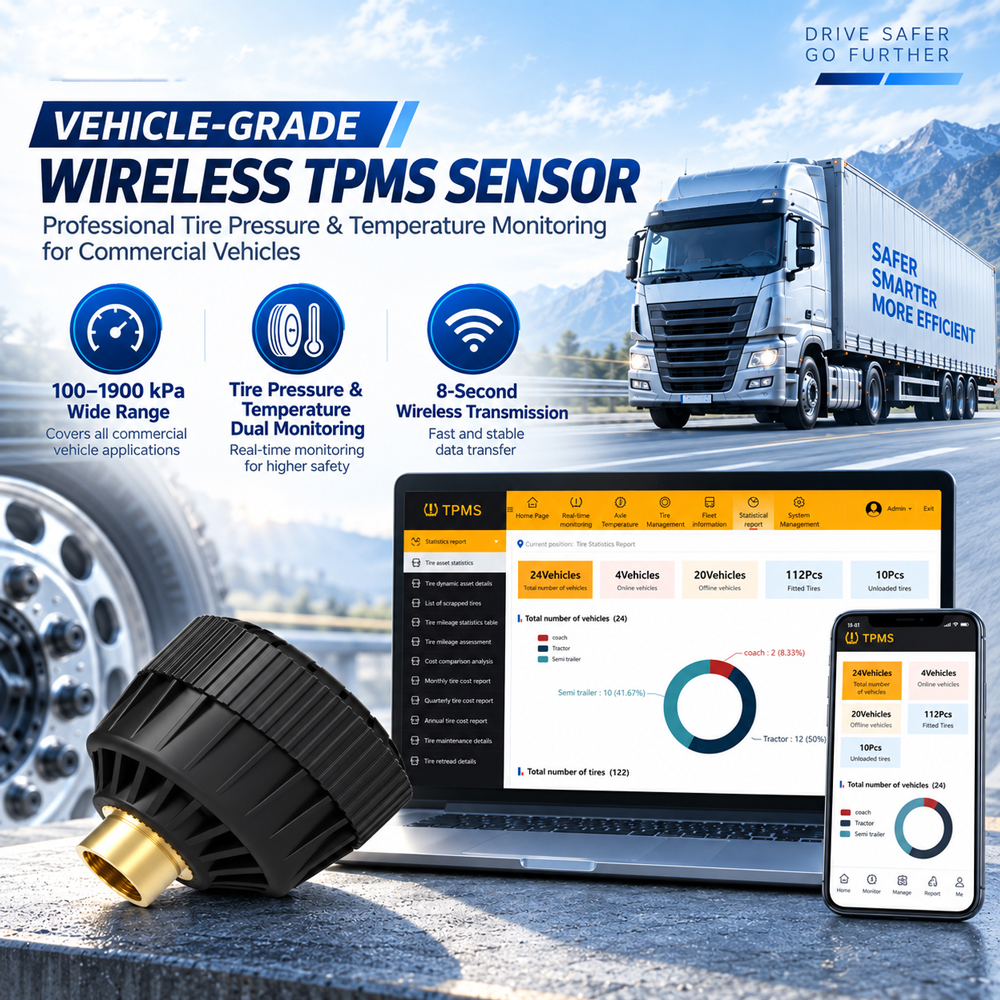
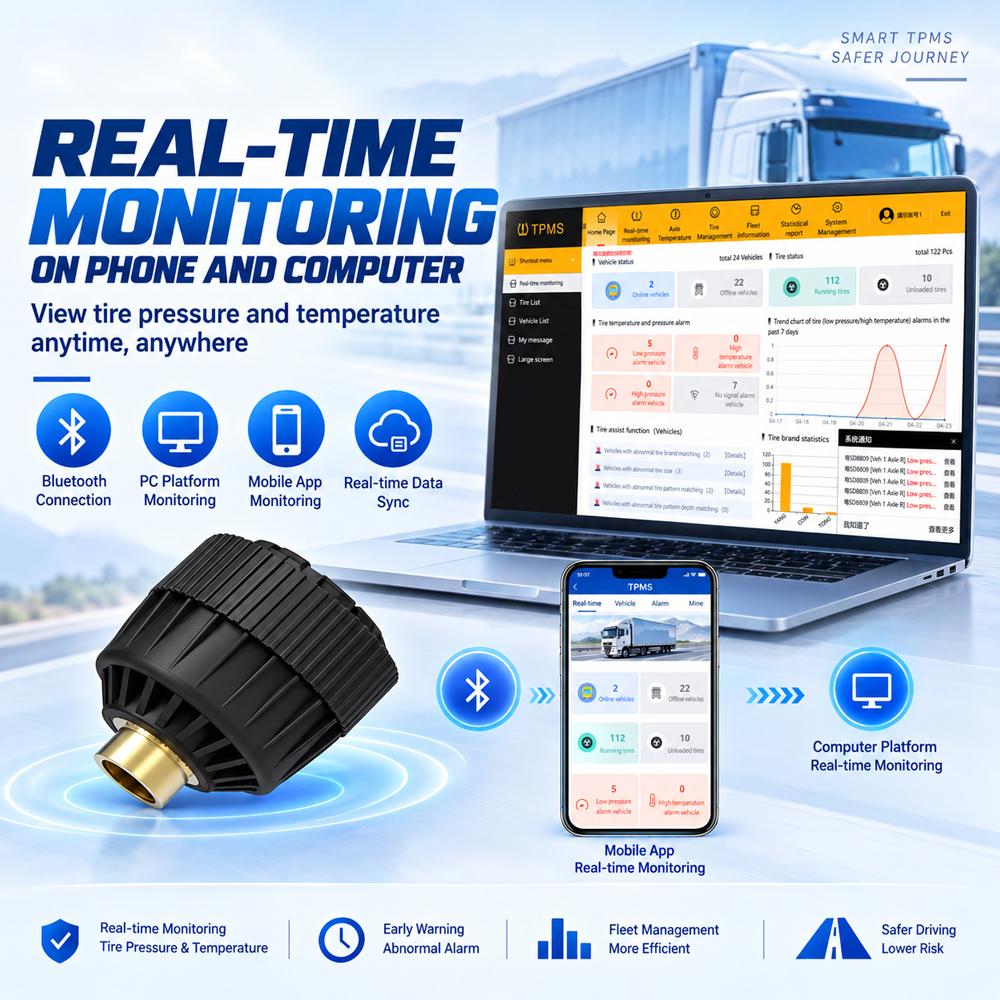
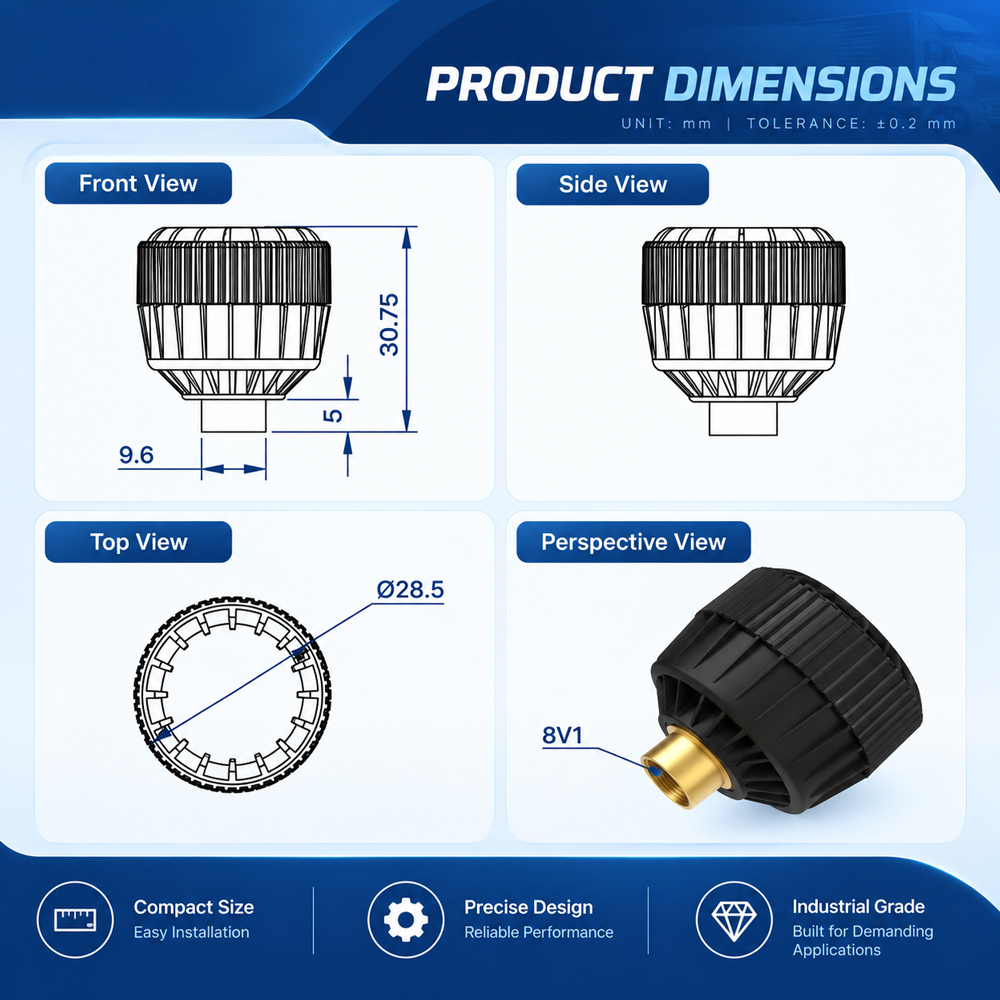
If you’re atire pressure and temperature sensorwholesale distributororautomotive sensor importer, you’ve probably compared 3+ suppliers and still faced delayed shipments or faulty products. Sourcing TPMS parts doesn’t have to be a gamble—with the right checks, you can find suppliers that deliver consistent quality and on-time stock.
Many new buyers assume comparing 3 quotes is enough to find a good deal, but hidden issues often pop up after ordering.
Low Prices Tied to Compromised Quality
Cheaper quotes usually come with trade-offs that hurt your business long-term.
Some suppliers use low-grade chips for the
tyre pressure monitoring system sensor, leading to 20-30% higher failure rates within 6 months.
Others cut corners on waterproofing, causing sensor malfunctions in rainy or humid regions.
A 2023 auto parts quality report found that 45% of budget TPMS suppliers fail basic durability tests.
Hidden Costs Not Included in Initial Quotes
The price you see isn’t always the price you pay, especially for first-time buyers.
Extra fees for custom packaging, certification documents, or expedited shipping can add 15-25% to your total cost.
Some suppliers charge restocking fees for returns, even if the product is defective.
Quality is non-negotiable when it comes to automotive sensors—poor products damage your reputation and lead to returns.
Match Sensor Types to Your Customer Needs
First, confirm the supplier offers the exact sensor types your market demands.
- internal TPMS sensor
: For buyers looking for OE-level fit and long-term durability
- external TPMS sensor
: For budget-friendly, easy-to-install aftermarket solutions
- universal tire pressure temperature sensor
: For mixed fleets or customers with multiple vehicle models
Validate Certification and Product Standards
A reliable supplier will have proof of compliance with global automotive standards.
Check for ISO/TS 16949 certification, the global quality standard for automotive parts.
Verify if their
OE replacement TPMS sensorand
aftermarket TPMS sensormeet FCC, CE, and RoHS requirements.
Ask for test reports from third-party labs—legitimate suppliers share these freely.
How to Confirm a Supplier’s Stable Delivery Capability
Even high-quality products are useless if they arrive late, leaving your customers waiting.
Evaluate Production Capacity and Stock Levels
For consistent supply, you need a supplier that can scale with your orders.
Ask about monthly production volume for the
OEM tire pressure temperature sensorline.
Check if they keep safety stock for popular SKUs, so small orders can ship within 3 days.
A mid-sizedautomotive parts trading companyonce ordered 5,000 sensors from a supplier that claimed “ample stock”—only to wait 6 weeks because the factory had no raw materials on hand.
Disruptions happen, but good suppliers have plans to minimize delays.
Step-by-Step Supplier Selection for New Buyers
Follow this simple process to avoid common mistakes and pick a supplier you can trust long-term.
Pre-Screening Before Requesting Quotes
Do your homework first to narrow down your list to qualified candidates.
Avoid suppliers with no clear company address or verifiable business license.
Test Orders and Long-Term Trial
Never place a large first order—test the supplier’s performance with small batches first.
Order 50-100 units of
tire pressure monitoring system sensorto check quality, packaging, and delivery speed.
If the test order goes well, place 2-3 more small orders over 3 months to confirm consistency.