Get a DOT-compliant 4G audible-visual truck blind spot monitoring system. Skip common supplier pitfalls for commercial fleet safety and bulk buying value.
If you’re a new buyer sourcing a truck blind spot monitoring system, comparing 3 suppliers often leads to 2 unexpected pitfalls—from fake compliance claims to hidden after-sales costs.
For one-stop procurement teams, picking a DOT-compliant 4G audible-visual model can cut risks and boost fleet safety. This guide breaks down what to watch for, especially for global buyers.
Pitfall 1: Fake DOT & Regional Compliance Labels
Many low-cost suppliers print fake DOT logos on packaging without actual certification.
62% of new
commercial vehicle parts importers receive non-compliant first samples, per a 2024 auto parts sourcing report
Common red flags: no test report number, mismatched product model on certificates
Regional rules also vary:
sistema de monitoramento de ponto cego de caminhãoneeds INMETRO approval for Brazil
Pitfall 2: Hidden Costs for After-Sales & Accessories
Cheap quotes often exclude mounting brackets, wiring harnesses, or tech support.
47% of bulk buyers face 20-35% extra costs after placing orders
Some suppliers charge separately for 4G platform access, a core feature for fleet management
A
lorry blind spot detectorwith full accessories usually costs 15-25% more than a base quote
Key Features of a Reliable 4G Audible-VisualTruck BSD System
Core Safety Components for Heavy Duty Use
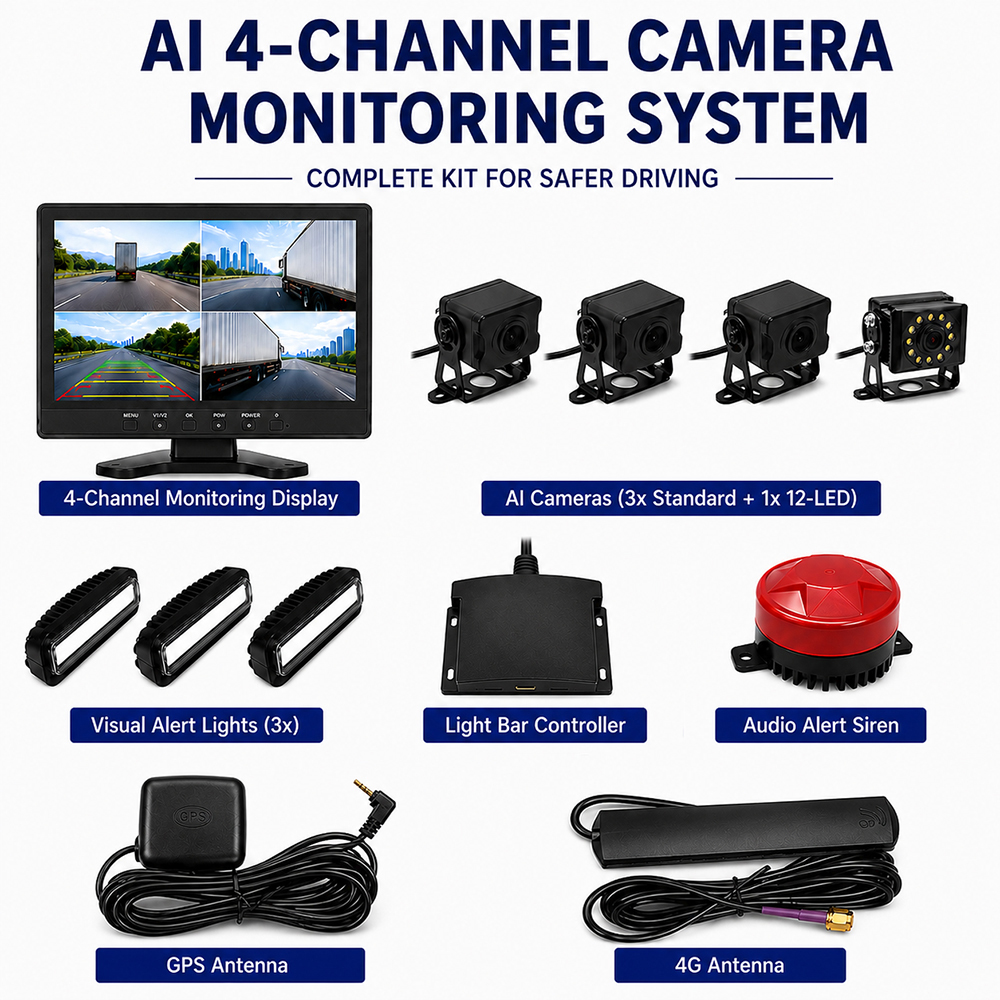
A quality system combines radar and visual alerts for full side coverage.
Heavy duty truck blind spot radar: detects vehicles/pedestrians within 5-10m of side blind zones
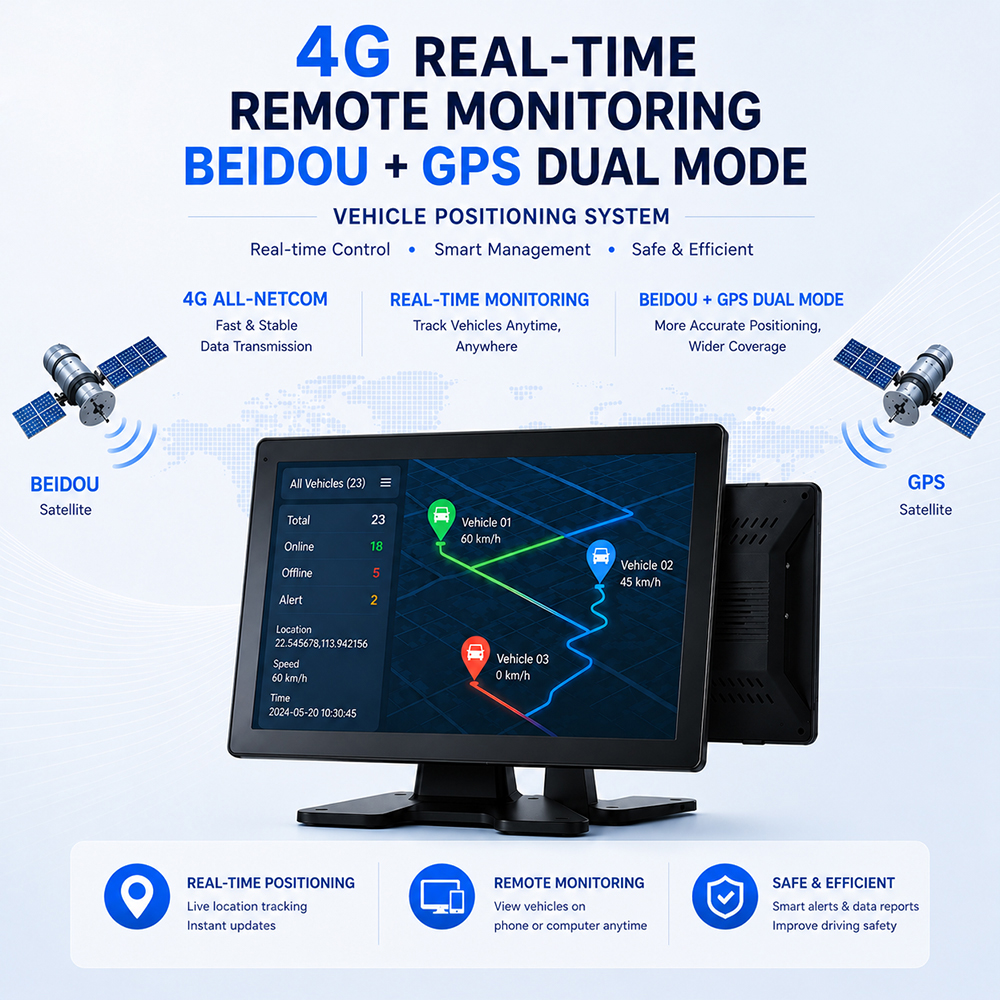
4G real-time sync: sends blind spot event data to fleet management platforms
Audible-visual alarm: triggers in-cab beeps and side LED flashes when danger is detected
This is also called a t
ruck side blind spot alert systemfor commercial fleets
For cross-border buyers, regional certification is non-negotiable.
DOT/FMVSS certification for North American markets
CE marking for EU, and local rules for emerging markets
For Southeast Asia:
sistem pemantauan titik buta trakneeds SNI certification for Indonesia
For Vietnam:
hệ thống giám sát điểm mù xe tảimust meet QCVN 09:2015/BGTVT standards
Portuguese-speaking buyers may also search for
sistema de monitoramento de ângulo morto de caminhãofor local compliance
How to Vet Suppliers forBlind Spot Detection Kit for Trucks
Step-by-Step Verification for New Buyers
Follow these checks to avoid pitfalls before placing bulk orders.
Request original test reports and verify certificate numbers on official databases
Order 1-2 sample units for on-site testing of radar accuracy and alarm response
Confirm full accessory lists and after-sales terms in written quotations
Ask for reference clients from your region to assess local market feedback
What to Look for in a One-Stop Supplier
A reliable one-stop supplier simplifies procurement for all buyer types.
For
automotive safety systems trading companyclients: custom packaging and private label options
For
fleet parts bulk buyerclients: tiered pricing for 50+/100+/500+ unit orders
For
commercial vehicle parts importerclients: full customs documentation support
A complete
truck blind spot sensor kitshould include radar, alarm, wiring, and mounting parts
Is the 4G Audible-Visual Model Right for Your Business?
Ideal Use Cases for Commercial Fleets
This system fits most medium and heavy duty commercial vehicle applications.
City delivery trucks: reduces pedestrian collision risks in urban traffic
Long-haul semi-trucks: improves lane-change safety on highways
Construction vehicles: alerts workers near blind zones on job sites
It is also referred to as a
lorry blind spot detection systemin UK and Commonwealth markets
While initial cost is higher than basic models, long-term savings are significant.
Reduces blind spot accident rates by up to 78%, per NHTSA data on commercial vehicle safety
Cuts insurance premiums by 10-15% for fleets with certified safety systems
4G remote monitoring reduces on-site maintenance trips by 30% for multi-location fleets
For new buyers navigating thetruck blind spot monitoring systemmarket, avoiding these 2 common pitfalls starts with verifying compliance and total cost of ownership.
The DOT-compliant 4G audible-visual model delivers reliable safety and long-term value for one-stop procurement teams worldwide.