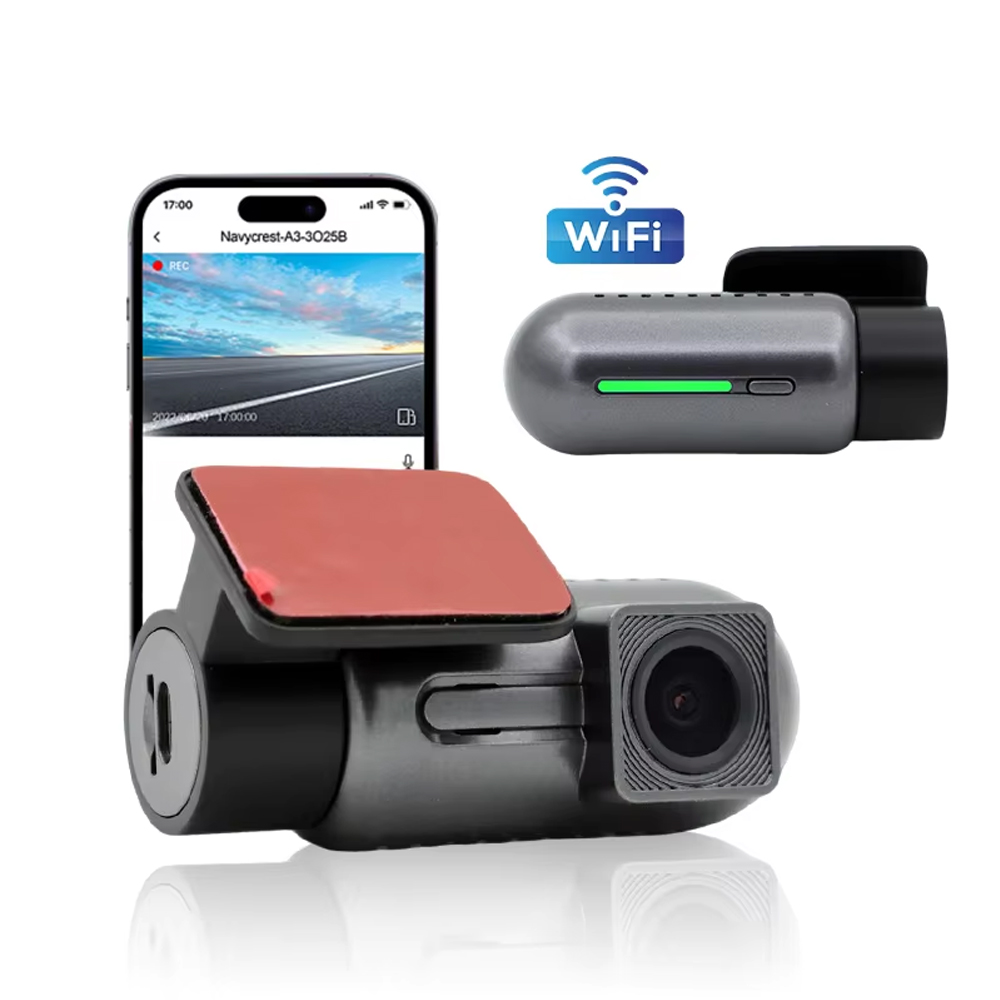
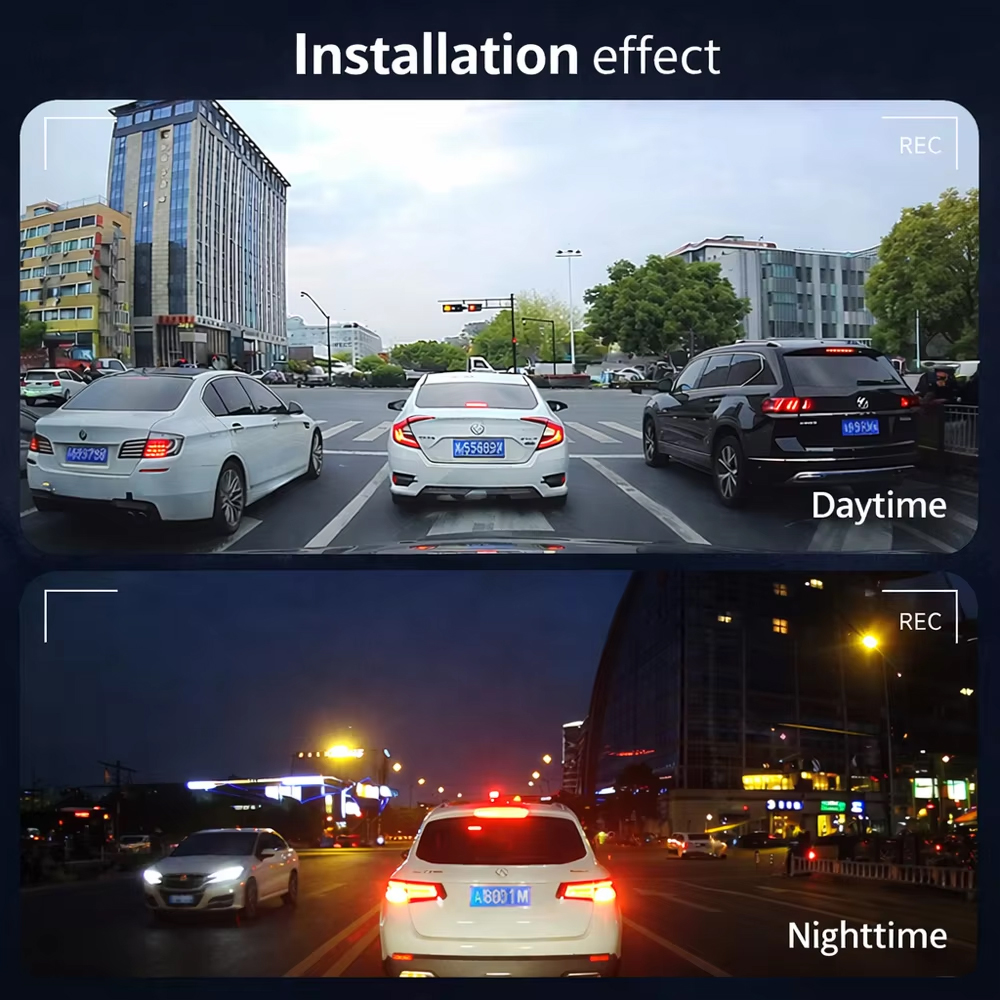
How to SourceParking Mode WiFi Dash Cam with Emergency LockWithout Pitfalls in 2026
As a small business owner in the auto accessories space, you’ve likely compared 3+ suppliers for aparking mode WiFi dash cam with emergency lock, only to face issues like faulty hardware or delayed shipments. In 2026, the global dash cam market is projected to grow 12.3% year-over-year, per industry data, making reliable sourcing more critical than ever.
This guide breaks down actionable steps to help you pick trustworthy suppliers and avoid common sourcing mistakes.
Common Sourcing Pitfalls for Small Business Owners
Many new buyers fall for low prices without verifying product quality or supplier credibility. These missteps lead to lost revenue and damaged customer trust.
Low-Quality Hardware That Fails Field Tests
Some suppliers cut corners on core components to offer lower quotes, resulting in products that don’t meet basic performance standards.
Common hardware issues include:
Blurry footage that makes emergency recordings useless
WiFi connectivity drops that prevent remote footage access
Short battery life that fails to support
24h parking mode dash camfunctionality
A 2026 survey of 500automotive electronics wholesale distributors found 38% received dash cams with 30% shorter battery life than advertised.
Misleading Emergency Lock Function Claims
The emergency lock feature is a top selling point, but many suppliers exaggerate its reliability.
Key misleading claims to watch for:
“100% collision detection” that only triggers with severe impacts
Emergency files that get overwritten due to faulty storage logic
No manual lock option for drivers to save footage instantly
Adash cam importerin Texas reported losing 20% of their client base after selling products with unreliable emergency lock features.
Key Features to Verify Before Placing Bulk Orders
To avoid pitfalls, you need to validate core features that matter most to your end customers. These features also differentiate premium products from budget alternatives.
Prioritize features that directly improve driver safety and recording reliability.
Must-have safety features include:
vehicle dash cam for driver safety: ADAS (Advanced Driver Assistance Systems) integration for lane departure warnings
dash cam with night vision for drivers: Starlight sensor technology for clear footage in low-light conditions
car dash camera with emergency save: One-touch lock button for instant footage preservation
For commercial clients, adual channel WiFi dash camis often preferred to capture both front and rear views.
Technical Specs That Impact Long-Term Use
Technical parameters determine product durability and user satisfaction. Don’t overlook these details during supplier audits.
Critical specs to confirm:
low voltage protection dash cam: Prevents car battery drain during parking mode
dash cam with collision detection lock: Triggers automatic recording and file locking when impact is detected
1080p WiFi dash cam: Balances video clarity and storage usage for everyday use
A reputable supplier will provide third-party test reports for all key technical claims.
How to Vet Suppliers Effectively in 2026
With thousands of suppliers online, vetting is the most important step to reduce sourcing risks. Use a structured approach to evaluate each candidate.
Request Samples and Conduct Third-Party Testing
Never place a bulk order without testing actual product samples.
Sample testing checklist:
Test parking mode battery life over 72 hours
Verify WiFi connection stability with both iOS and Android devices
Trigger emergency lock 20+ times to check file retention
Test night vision performance in unlit parking lots
Anauto parts trading companyin California reduced their return rate by 45% after implementing mandatory third-party testing for all new products.
Legitimate suppliers have proper certifications and verifiable client references.
Key certifications to look for:
FCC, CE, and RoHS compliance for global markets
ISO 9001 quality management certification
IP65 or higher water resistance rating for outdoor use
Ask for at least 3 client references from similar business sizes and regions to verify reliability.
Step-by-Step Sourcing Strategy to Avoid Pitfalls
Follow this proven strategy to streamline your sourcing process and find reliable long-term partners.
Pre-Sourcing Preparation
Define your exact requirements before reaching out to suppliers.
Preparation steps:
Confirm your target product type (e.g.,
front and rear WiFi dash camfor taxi fleets)
Set a realistic budget that balances quality and profit margin
Research local market demand to determine order volume
List mandatory features (e.g.,
dashboard camera with WiFi, emergency file lock)
Clear requirements help you quickly eliminate suppliers that don’t meet your needs.
Quality control doesn’t end when you place the order. Implement checks before shipment.
Post-order checks:
Conduct random inspections of 10% of the batch before shipping
Verify packaging and labeling match your requirements
Test a sample unit from each production batch
Confirm warranty terms and after-sales support policies
A small business owner in Florida reduced their defect rate from 12% to 1.5% by adding pre-shipment inspections.