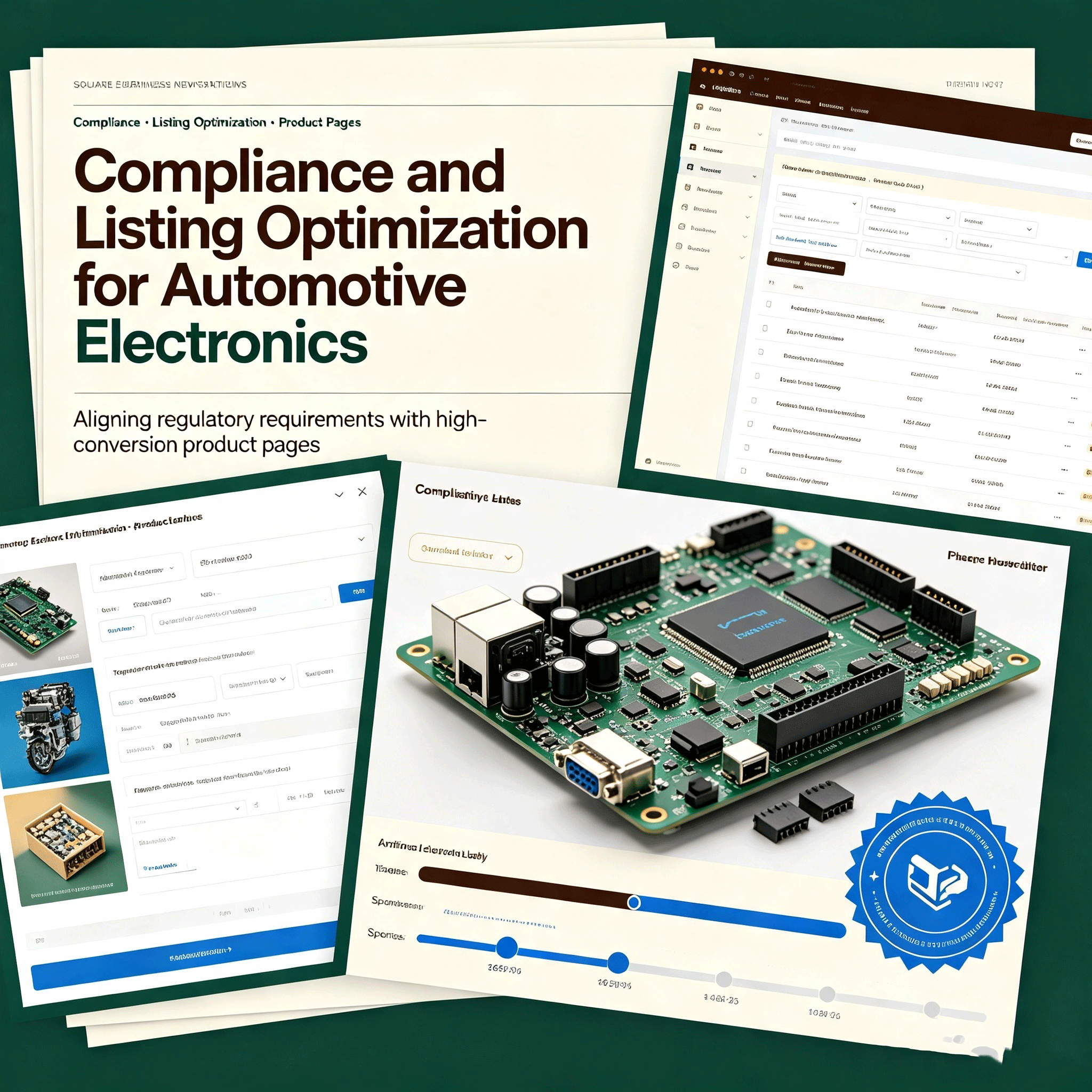
Compliance and Listing Optimization for Automotive Electronics on Global Marketplaces
Automotive Electronics sellers operating through Cross-border E-commerce need to connect regulatory readiness with commercial execution. Product Compliance Certification protects market access, while Listing Optimization translates technical features into clear buyer value. When these functions are managed together, sellers can reduce listing disruptions, customer confusion, and avoidable returns.
1. Build Compliance Into the Launch Checklist
Before inventory is committed, identify destination markets, product functions, radio modules, batteries, power specifications, materials, labels, and packaging requirements. Product Compliance Certification should be treated as part of product development rather than a document collected after production.
FCC CE RoHS Certification is commonly referenced for electronic products, but requirements differ by product and jurisdiction. Sellers should verify applicable standards, testing needs, declarations, labeling, and technical documentation with qualified specialists.
2. Turn Technical Data Into Buyer-Friendly Content
Listing Optimization for vehicle electronics depends heavily on compatibility clarity. Buyers need to understand supported vehicle models, model years, interfaces, voltage, dimensions, operating systems, installation conditions, included accessories, and limitations before ordering.
A strong Listing Optimization workflow converts engineering information into structured specifications, diagrams, installation images, FAQs, comparison charts, and troubleshooting guidance.
3. Learn From the Competitive Landscape
Competitive Landscape research should focus on what competing listings fail to explain. Review customer questions, low-star reviews, return complaints, image quality, warranties, bundles, and delivery promises. These signals can reveal opportunities for stronger content and better product design.
4. Adapt to Global E-commerce Platforms
Global E-commerce Platforms have different title limits, attribute systems, image standards, advertising tools, fulfillment models, and policy requirements. Build a master product-data file, then adapt the presentation for each channel rather than copying identical content everywhere.
5. Connect Product Selection With Compliance Cost
A Product Selection Strategy should account for testing, documentation, labeling, packaging changes, marketplace fees, advertising, and Cross-border Logistics. A product with attractive factory pricing may produce weak margins if regulatory or fulfillment complexity is ignored.
6. Use Support Data to Improve Listings
After-sales System Construction creates a valuable feedback loop. Categorize questions, installation failures, compatibility mistakes, defects, and returns. Feed recurring issues into product pages, manuals, packaging, quality control, and sourcing decisions.
For Automotive Electronics, the most defensible Cross-border E-commerce operation combines accurate compliance work, clear compatibility information, disciplined merchandising, and responsive support. Sellers that systematize these processes can scale more safely across international marketplaces.