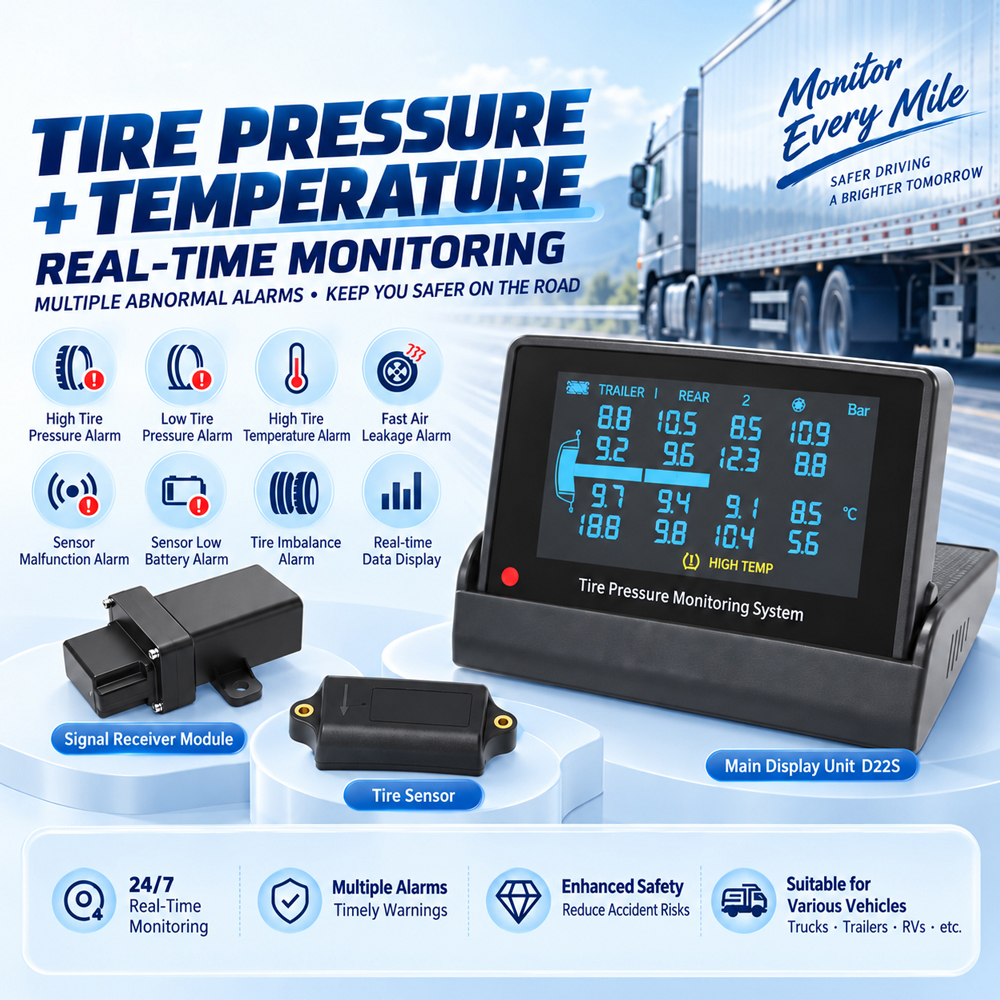
Indonesian auto parts wholesalers are riding a wave of surging orders during the annual peak season, but a hidden crisis is eating into their bottom line. Industry data shows tire blowouts and related warranty claims can wipe out up to 30% of profits for many businesses. A Tire Pressure Monitoring System offers a proven solution to cut these losses dramatically.
The 30% Profit Drain: Tire Blowouts & Warranty Claims
During peak shipping and travel seasons, commercial vehicles and passenger cars clock more miles, often with underinflated tires. This leads to 2x higher tire blowout rates compared to off-peak months.
For wholesalers, each blowout triggers warranty claims, replacement costs, and lost customer trust. A 2023 Indonesian automotive industry survey found that:
Why Traditional Solutions Fail to Fix the Problem
Many sellers rely on manual tire pressure checks, but these are inconsistent and easy to skip during busy periods.
Common gaps in traditional pressure management include:
Infrequent checks that miss slow leaks
Human error in reading pressure gauges
No real-time alerts for sudden pressure drops
Anauto tire pressure monitorsolves these issues by providing continuous, accurate data without manual effort.
How aTire Pressure Monitoring SystemCuts Costs & Boosts Profits
Core Functions That Prevent Tire Blowouts
ATire Pressure Monitoring Systemuses atire pressure sensoron each wheel to track pressure and temperature in real time.
Key safety features include:
Instant alerts for underinflation, overinflation, and rapid leaks
Temperature warnings to prevent overheating-related blowouts
Long battery life for consistent performance during heavy use
Atire pressure indicator systemalerts drivers immediately, so they can fix issues before a blowout occurs.
【内链建议:TPMS installation guide for beginners/How to test TPMS sensor accuracy】
Measurable Profit Savings for Wholesalers & Importers
For automotive parts importer businesses, adding TPMS to inventory does more than reduce warranty costs—it creates new revenue streams.
Verified savings from Indonesian wholesalers using TPMS include:
70-85% reduction in tire blowout-related warranty claims
15-20% increase in repeat customers who value safety products
25% higher average order value when TPMS is bundled with tire sales
Atire pressure monitoring systemwholesale distributorcan also tap into growing demand from fleet operators and commercial vehicle owners.
Top TPMS Options for Wholesale Inventory in 2024
Aftermarket vs.OE TPMS: Which Sells Better?
When stocking inventory, it’s critical to understand the difference betweenAftermarket TPMSandOE TPMS.
Key differences for wholesalers:
OE TPMS: Designed for specific vehicle models, higher price point, lower volume demand
Aftermarket TPMS: Universal fit, lower cost, higher demand for older and commercial vehicles
Most Indonesian wholesalers see 3x higher sales of aftermarket options due to broader compatibility.
AwirelessTire Pressure Monitoring Systemis the top seller for its easy installation and no-wire setup.
Other high-demand products include:
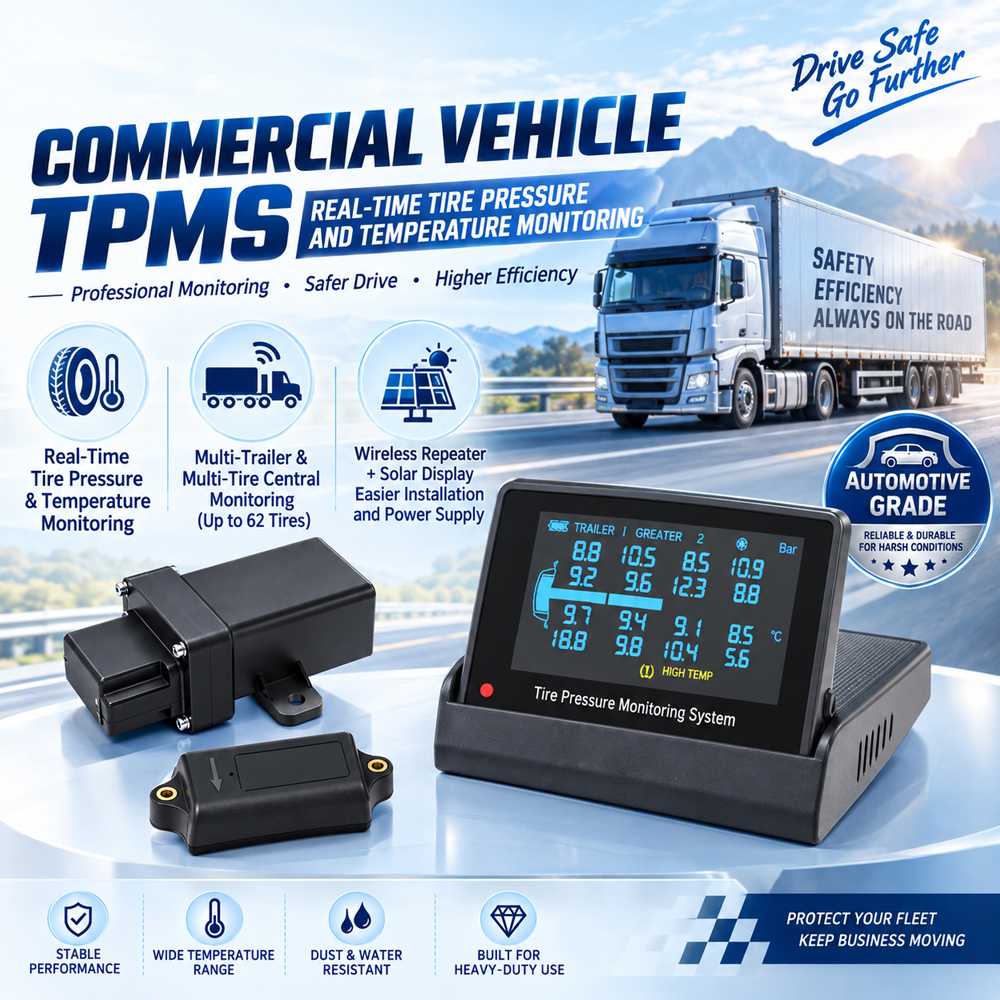
TPMS with Display: Popular with drivers who want real-time data visible in the cabin
Solar TPMS: Low-maintenance option that charges via sunlight, no wiring needed
Solar Powered TPMS with External Sensors: Best for quick DIY installation, ideal for small fleets and passenger cars
Thesolar powered TPMS with external sensorsis especially popular for its 5-minute installation and no special tools required.
How to Start Selling TPMS for Maximum Peak Season Gains
Quick Steps for New Automotive Parts Importers
If you’re new to stocking TPMS, follow these simple steps to launch successfully:
Start with a small batch of
solar powered TPMS with external sensorsto test demand
Pair TPMS with tire sales to offer a “safety bundle” for customers
Provide basic installation guides to reduce post-purchase support requests
Even first-time sellers can see a return on investment within 2-3 peak season months.
Mistakes to Avoid for New Wholesalers
New sellers often make avoidable mistakes that cut into profits.
Common pitfalls to skip:
Buying low-quality TPMS with inaccurate sensors (leads to more warranty claims)
Ignoring customer education about TPMS benefits
Failing to stock replacement
tire pressure sensorparts for repairs
By choosing reliable suppliers and focusing on customer value, you can build a profitable TPMS product line fast.