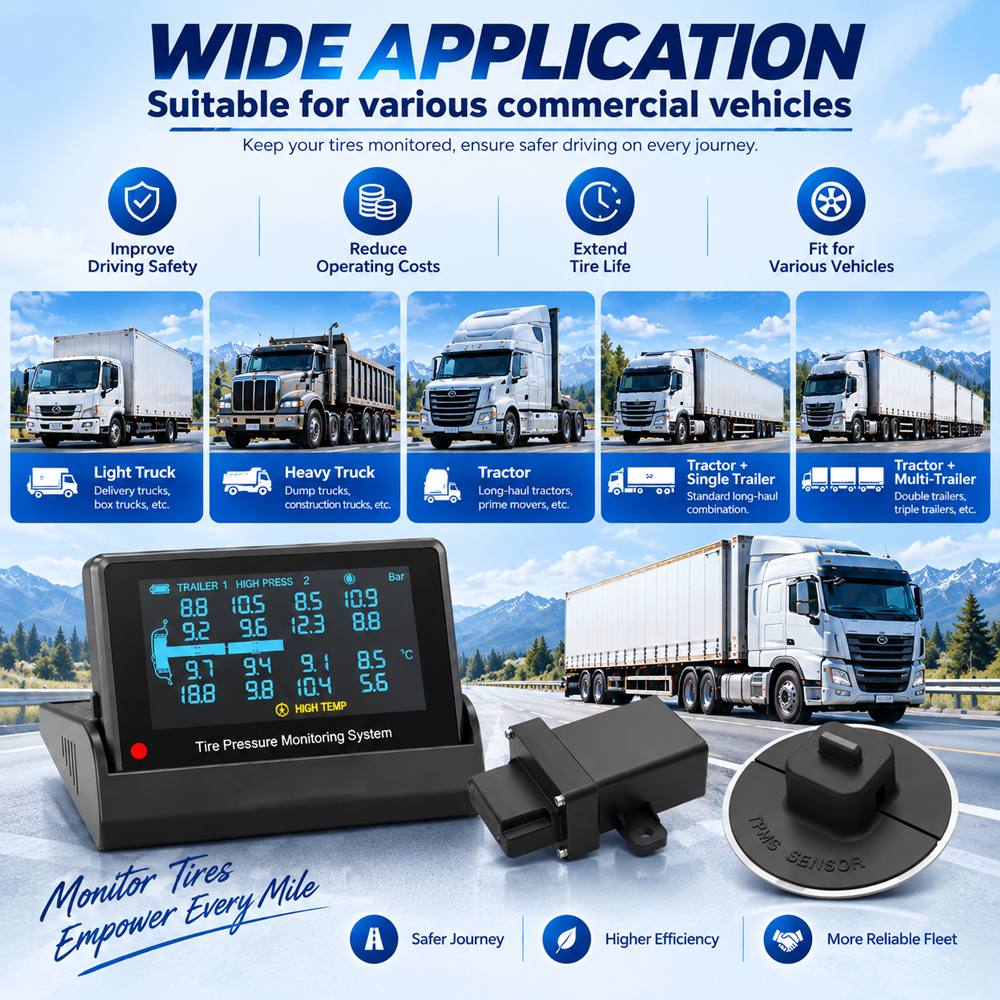
Truck Tire Pressure Monitor: Can It Save Ramadan Freight Profits for Wholesalers?
Indonesian freight wholesalers face a massive order surge every Ramadan, but a single flat tire can erase profits from three full shipments. A truck tire pressure monitor is a simple tool that stops this unexpected loss before it hits the road.
For new fleet managers and small business owners, understanding how this device works and how much it saves is the first step to protecting Ramadan revenue. This guide breaks down costs, benefits, and real-world results for beginners.
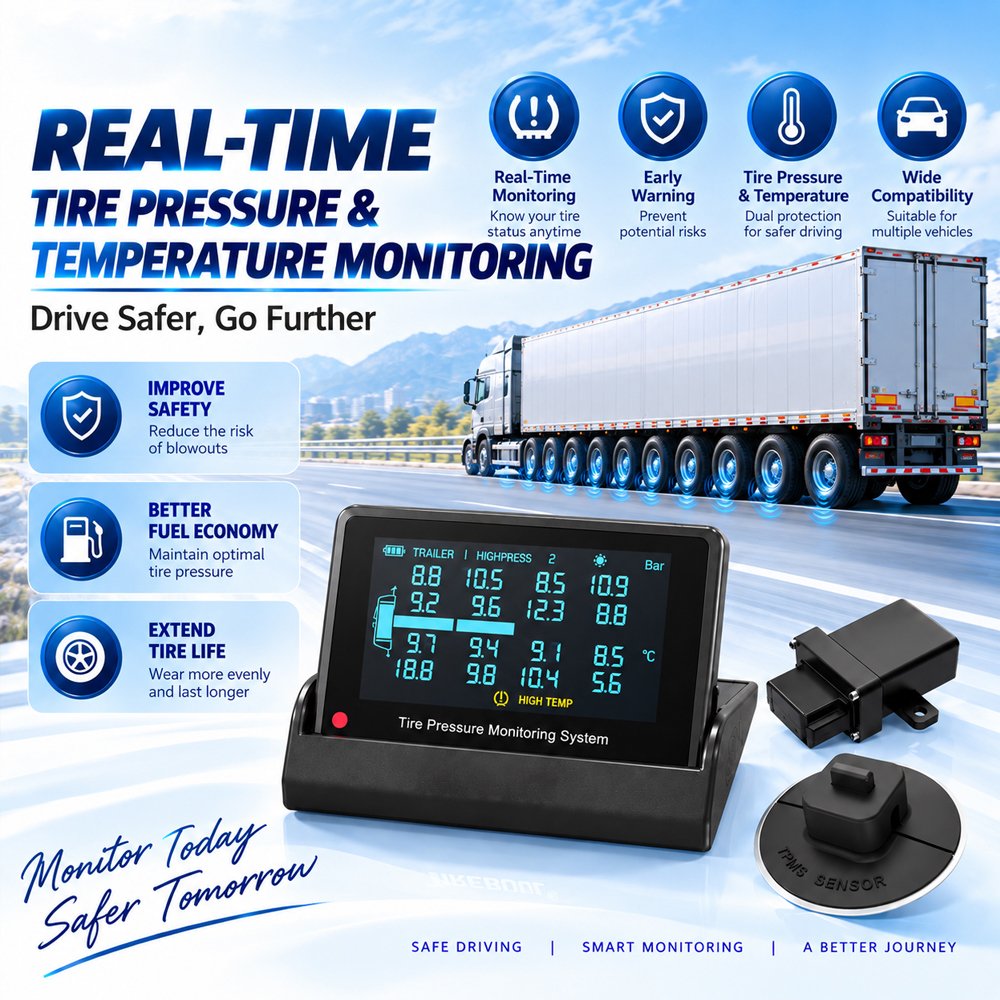
The Hidden Cost of Road Delays During Peak Season
Ramadan pushes delivery volumes up by 30-40% for many Indonesian wholesalers, as families stock up on food, gifts, and household supplies. Tight schedules mean trucks run longer routes with less downtime for maintenance checks.
A single flat tire can cause:
6-12 hours of delay, missing critical delivery windows
IDR 1.2-2.5 million in emergency roadside repair fees
Lost client trust and repeat order cancellations
Real Savings From Preventing Tire Failures
Asemi truck TPMS systemalerts drivers the moment air pressure drops below a safe level. This early warning lets teams fix small issues at depots, instead of paying premium roadside repair prices.
For a 5-truck fleet, typical annual savings include:
IDR 45-75 million on avoided emergency tire repairs
IDR 30-50 million on improved fuel efficiency
20-30% longer tire lifespan, reducing replacement costs
Long-Term Fleet Budget Benefits
Beyond direct repair savings, atruck tire pressure monitoring devicelowers long-term operational risks. Safer tires reduce accident chances, which keeps insurance premiums lower over time.
Many fleets also see fewer delivery penalty fees, since on-time rates improve by 15-20% after installing aTPMS with display. This is especially valuable during Ramadan, when late deliveries can cost wholesalers big contracts.
Choosing the Right TPMS for Small and Medium Fleets
Key Features to Look For
For new buyers, picking the right system can feel overwhelming. Start with core features that match daily route needs, especially for inter-island or rural Indonesian deliveries.
Top features for freight fleets:
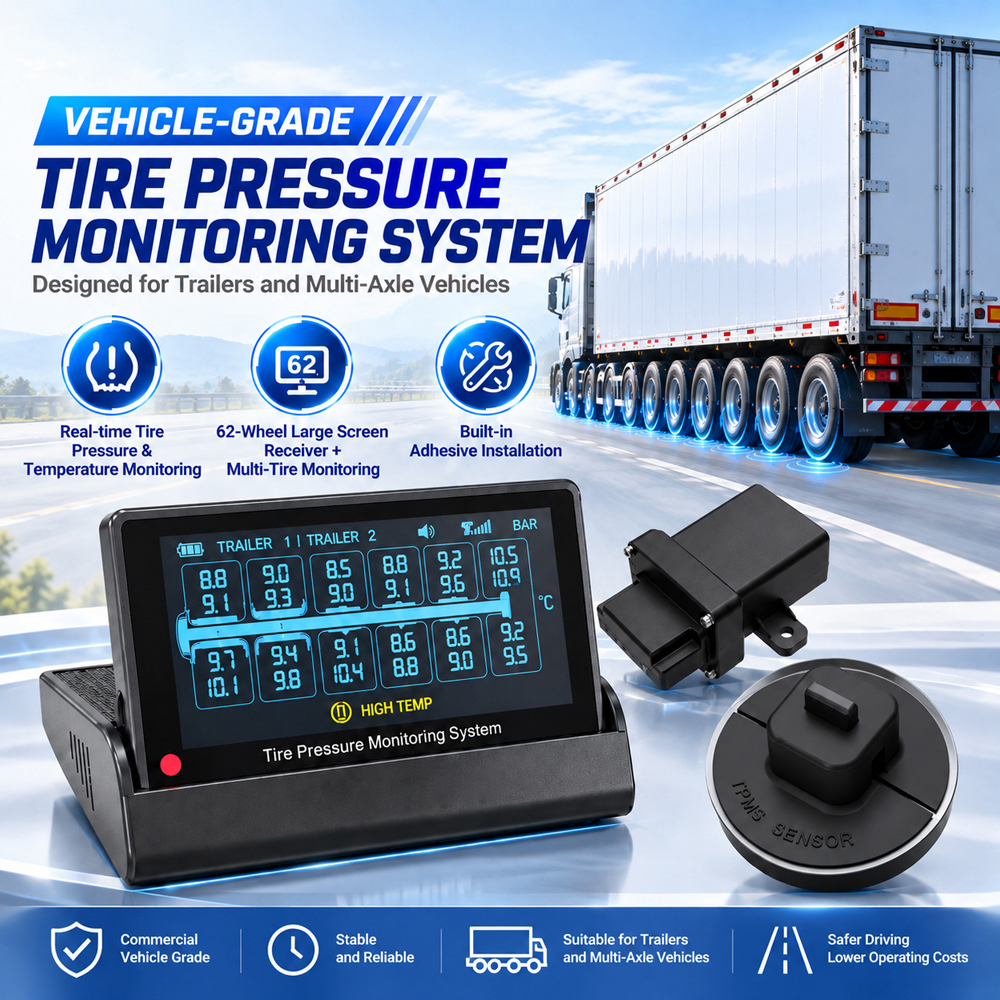
Solar Powered TPMS with External Sensors: Easy to install without professional help
Wireless Tire Pressure Monitoring System: No messy wiring that breaks on bumpy roads
Long battery life: Works for 6+ months without charging
Clear alerts: Loud beeps or visual warnings that drivers notice fast
Aftermarket vs. OE Systems: Which Fits Your Budget?
When comparing options, you’ll see two main categories:aftermarket TPMSandOE TPMS. OE systems come pre-installed on new trucks, but they’re expensive to add to existing vehicles.
Aftermarket systems cost 60-70% less and work with almost any truck or trailer. For most small wholesalers, aftermarketsolar TPMSis the most cost-effective choice for fast deployment.
Atruck tire pressure monitorwholesalercan help match systems to your exact fleet size and route type.
Real-World Results: Ramadan Savings for Indonesian Wholesalers
Case Study: 8-Truck Food Freight Fleet
A Jakarta-based food wholesaler installed awireless tire pressure monitoring systemahead of last year’s Ramadan peak. Before the upgrade, the team averaged 2-3 flat tires per week during the busy season.
After 30 days of use:
Flat tire incidents dropped to 0-1 per week
Fuel costs fell by 4.2% across the fleet
On-time delivery rates rose from 78% to 94%
The owner reported that the system paid for itself in just 22 days, avoiding three major roadside breakdowns that would have wiped out profits from 9 total shipments.
Getting Started With Your First TPMS Upgrade
For new fleet owners, starting small is the smartest move. Begin with 2-3 high-mileage trucks to test the system and measure real savings before rolling out to the full fleet.
Reach out to a heavy-duty TPMS distributororautomotive TPMS trading companyto ask about demo units or bulk pricing for fleets. Many suppliers also offer free installation guides for beginners.
This Ramadan, don’t let a single flat tire erase your hard-earned order profits. A reliabletruck tire pressure monitoris a low-cost investment that pays for itself fast.