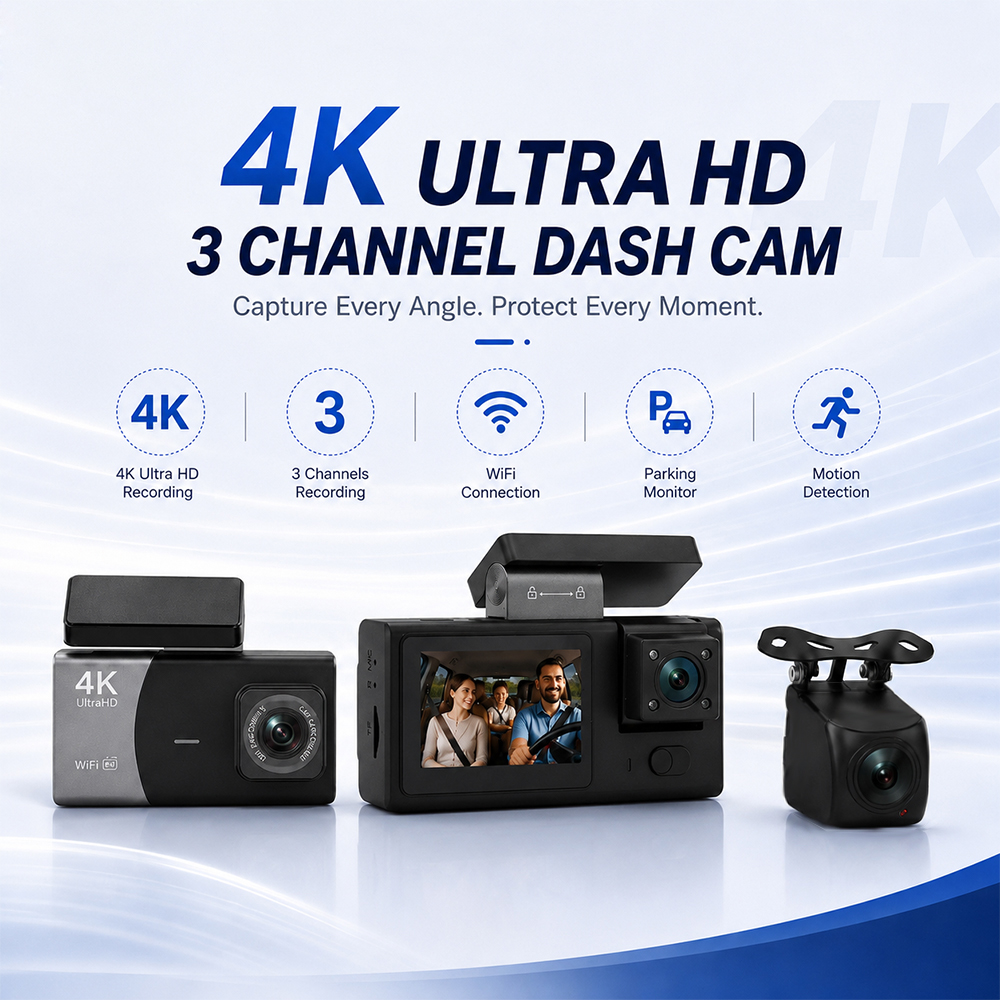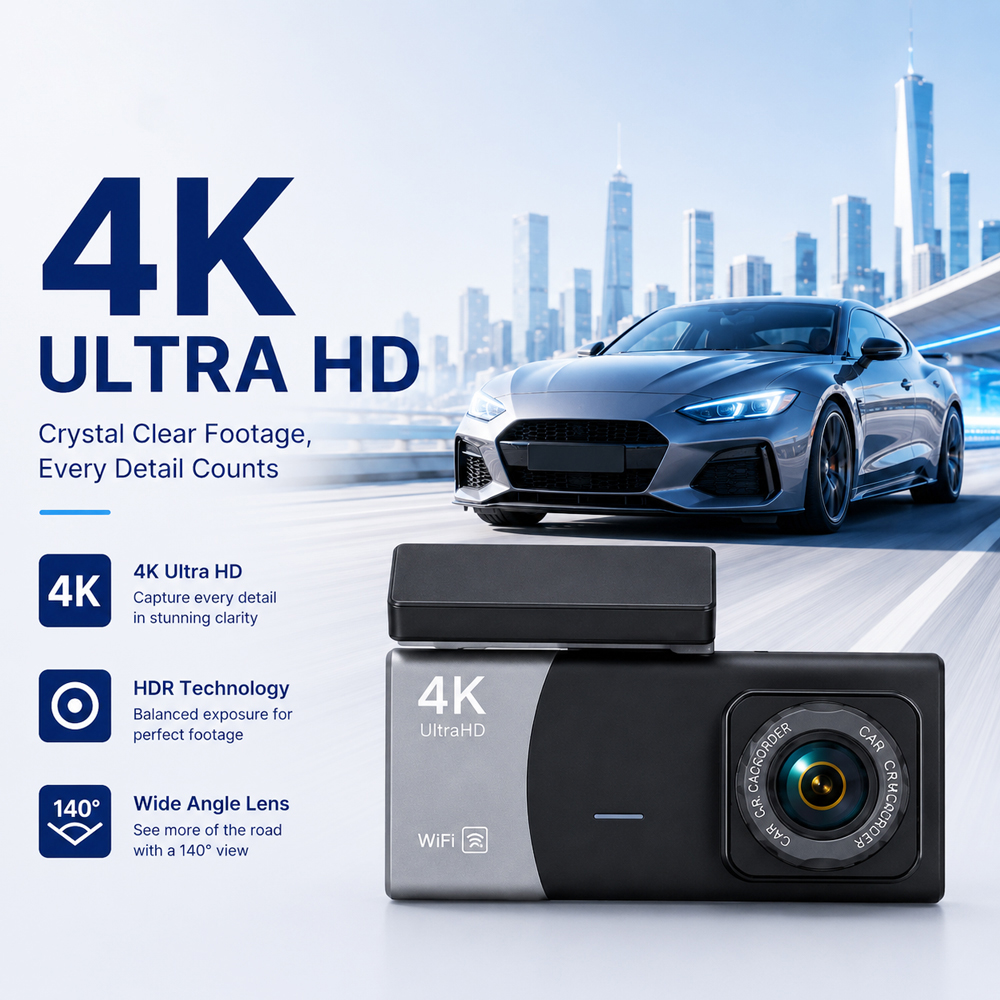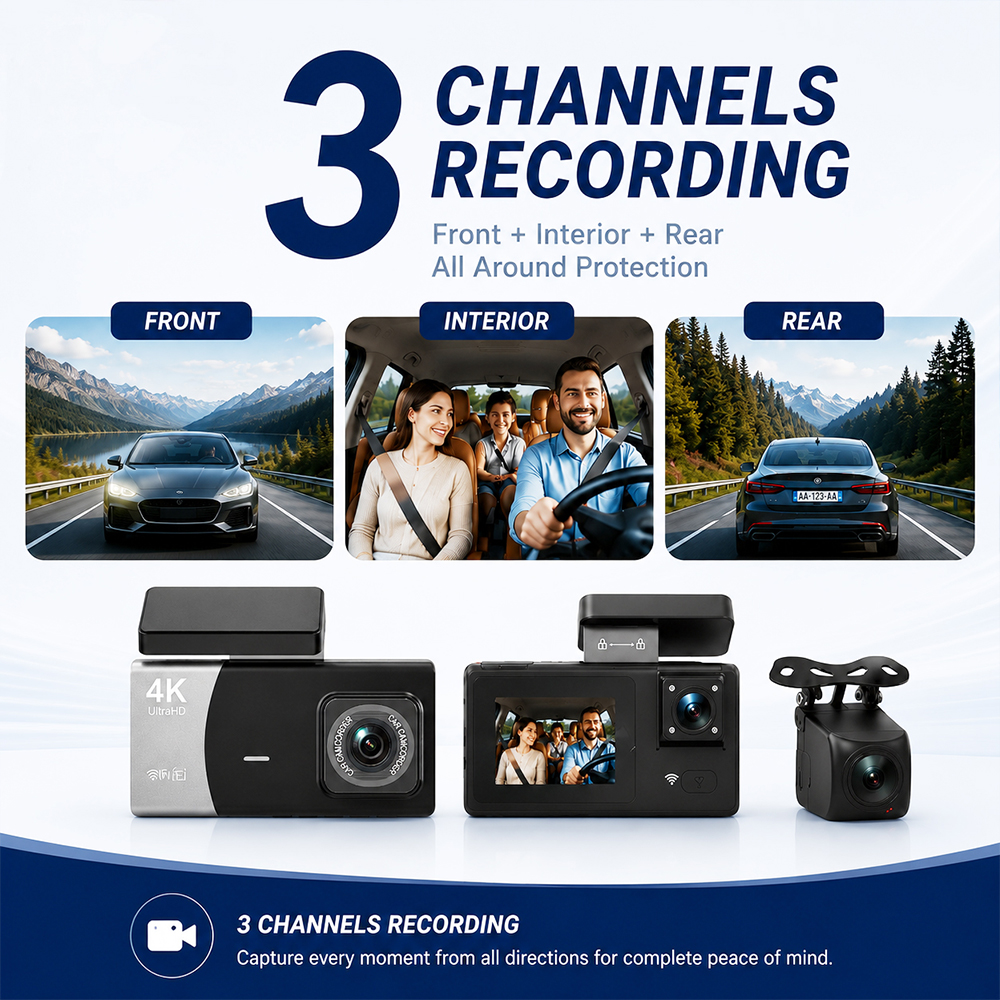
Why4K Dash CamCross-Border Sourcing Price Leads to 20% Higher After-Sales Costs
For small business owners and4K dash camwholesalers, cross-border sourcing often starts with a simple price comparison spreadsheet. You line up 5 suppliers, pick the lowest quote for a4K dash cam, and think you’ve locked in a 15% profit margin. But 6 months later, returns, warranty claims, and customer complaints pile up—and you realize you’ve spent 20% more on after-sales costs than you saved on the initial unit price.
This is a common pitfall for automotive electronics trading companies that prioritize upfront cost over long-term value. Below, we break down why price-only backfires, what hidden costs you’re missing, and how to source smarter without overspending.
The Hidden Price Comparison Trap in4K Dash CamSourcing
Many new buyers assume all4K dash camunits are identical, so the cheapest option is the best deal. In reality, suppliers cut corners in invisible ways that only show up after you’ve sold hundreds of units.
How Suppliers Lower Initial Prices Without You Noticing
Suppliers can slash per-unit costs by 20-30% by swapping high-quality components for cheaper alternatives, while still advertising the same “4K” label on the listing.
Replacing Sony image sensors with generic off-brand sensors that claim 4K but produce blurry footage in low light
Using plastic lens housings instead of glass, which warp in hot car interiors and distort video after 3-6 months
Skipping basic reliability testing to cut production time and labor costs
A 2024 automotive electronics quality report found that 38% of low-costdash cam 4Kunits fail within the first year, compared to just 7% of mid-range certified models.
The 20% After-Sales Cost Breakdown
When those low-quality units fail, the costs go far beyond just replacing the product. For small4K dash camwholesale distributorbusinesses, these expenses can eat through entire quarterly profits.
Return shipping and restocking fees: 8% of original order value
Customer support labor and refund processing: 5% of original order value
Lost repeat customers and negative review damage: 7% of original order value
For a $10,000 initial order, that adds up to $2,000 in unexpected costs—exactly the 20% premium most buyers thought they were avoiding by choosing the cheapest supplier.
Key Features That Impact Long-Term4K Dash CamReliability
The difference between a reliablecardash camera4Kand a cheap knockoff comes down to features that are often omitted from basic spec sheets. These are the components that prevent after-sales headaches down the line.
Core Functional Features That Reduce Return Rates
Customers don’t just buy a4K dash camfor high-resolution video. They buy it for features that protect them on the road—and if those features don’t work, they’ll return the product immediately.
dash cam with speed camera alert: Cheap units often use outdated GPS databases that miss 40% of fixed speed cameras, leading to frequent customer complaints
dash cam with parking mode: Budget models drain car batteries within 48 hours because they lack low-voltage protection, a top 3 reason for negative reviews
dash cam with number plate recognition: Low-quality sensors can’t read plates at distances over 10 meters, making the feature essentially useless for accident claims
Technical Specs That Separate Quality from Junk
Beyond customer-facing features, internal components determine how long a unit will last. These specs are rarely highlighted in cheap supplier listings, but they directly impact warranty claim rates.
4K dash camwith WDR: Wide Dynamic Range technology balances bright and dark areas in footage; cheap units skip this, leading to unusable video in sunny or nighttime conditions
4K dash camG-sensor: Budget G-sensors are too sensitive (triggering false emergency recordings) or not sensitive enough (missing actual collisions), both of which cause returns
4K dash camwith eMMC storage: Units with regular SD card slots have 3x higher failure rates from card corruption, while eMMC storage is built for constant write cycles
For a full breakdown of what each technical spec means for real-world performance, read our in-depth4K dash camparameter guide.
Real Case Study: How a Small Business Lost $4,000 to Cheap Sourcing
To show how this plays out in real life, let’s look at a case from a UK-basedautomotive electronics trading companywe worked with last year. The business had 5 employees and focused on selling dash cams to local taxi fleets.
The Initial “Great Deal” That Seemed Too Good to Be True
The company was sourcingfront and reardash cam 4Kunits for a fleet contract. They compared 6 suppliers and chose the cheapest option at $42 per unit, which was $18 cheaper than the next closest quote.
Total initial order: 200 units, $8,400 total
Expected profit margin: 35%
Estimated after-sales cost: 3% (based on previous mid-range supplier experience)
They skipped ordering sample units for full testing to save time and placed the bulk order right away.
The After-Sales Nightmare That Followed
Within 3 months, 42% of the units were returned with issues. The taxi fleet client threatened to cancel all future contracts and leave a public negative review.
37 units had failed parking mode that drained taxi batteries overnight
29 units had blurry night footage that made
4K dash camwith night visionclaims false
18 units had corrupted storage that lost accident footage entirely
Total after-sales costs came to $4,120—21% more than the initial order’s “savings” of $3,600. The business only recovered after switching to a certified supplier and replacing all units for the fleet client for free.
Smart Sourcing Strategies to Avoid the 20% Cost Premium
You don’t have to choose between overpaying and getting stuck with high after-sales costs. For small4K dash camwholesalerbusinesses, these strategies help balance upfront price and long-term reliability.
How to Vet Suppliers Beyond Just Price
The first step is to stop sorting supplier quotes from lowest to highest. Instead, create a scoring system that weighs both price and quality indicators before you place a bulk order.
Order 3-5 sample units from each shortlisted supplier and test them for 2 weeks in real driving conditions
Ask for ISO 9001 quality certification and past client references from similar-sized businesses
Request a detailed component list to verify sensor, storage, and G-sensor brands
Always verify supplier certifications directly through official databases, not just by checking the logo on their website.
Balancing Cost and Quality for Small Business Budgets
If you’re a small4K dash camwholesale distributorwith limited upfront capital, you don’t need to buy the most expensive units on the market. You just need to avoid the cheapest 20% of options, which carry the highest failure risk.
Start with a small trial order of 20-50 units to test real-world return rates before scaling
Negotiate a 12-month warranty agreement with the supplier to share after-sales risk
Prioritize core high-failure features (parking mode, storage, night vision) over niche add-ons
For small businesses new to cross-border sourcing, our step-by-step trial order guide helps you test suppliers without risking your entire budget.
By shifting your focus from upfront unit price to total cost of ownership, you can avoid the 20% after-sales trap and build a sustainable, profitable4K dash cambusiness. The cheapest option almost never saves you money in the long run—but the right balance of quality and price will help you keep customers and grow your revenue.